
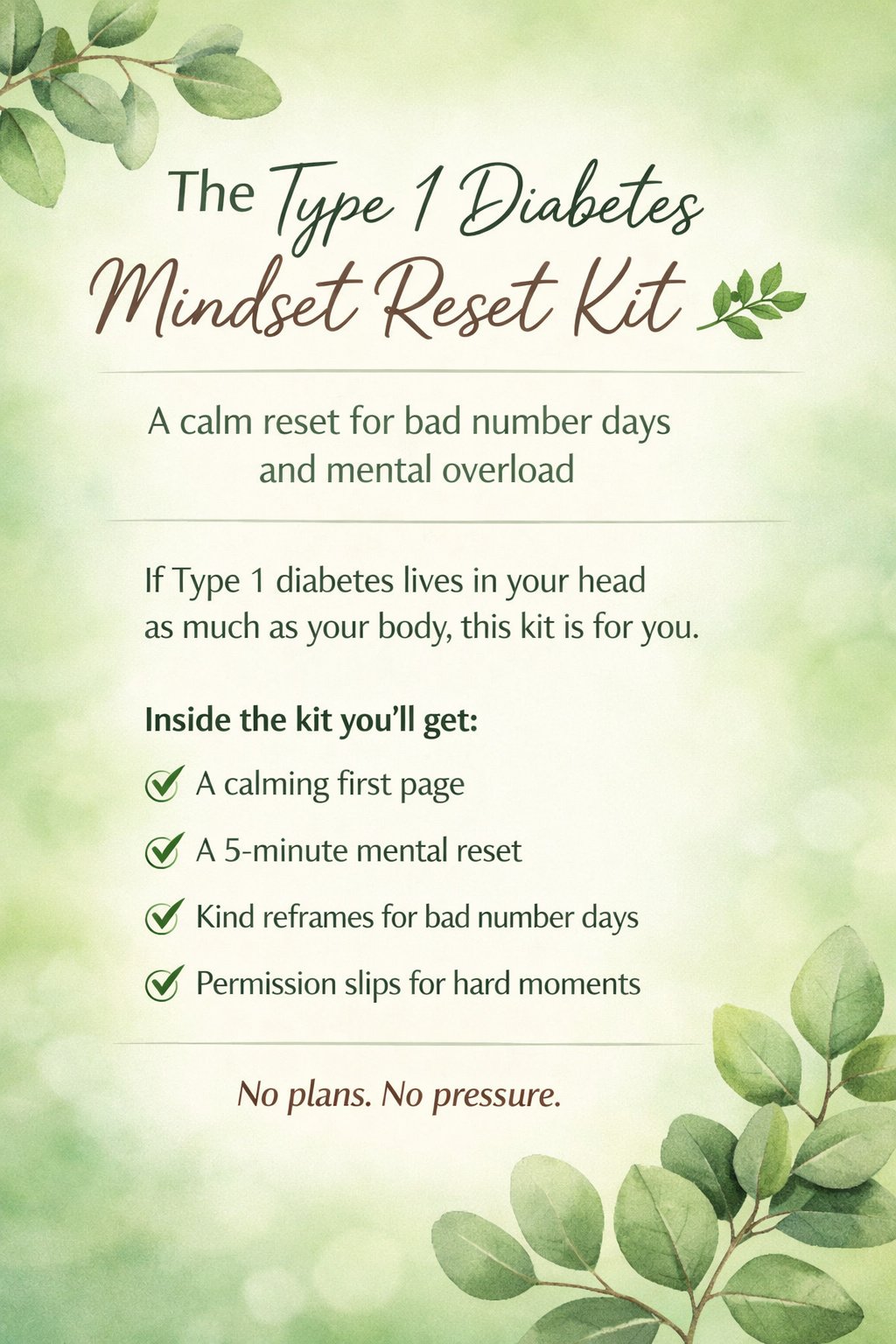
Living with Type 1 diabetes is a relentless mental marathon, as every day involves decisions about insulin, food, activity, stress, and blood sugar levels. There are no days off, no breaks, and no moments when your condition simply disappears. As time goes on, this constant pressure can lead to something many people with T1D experience but rarely talk about openly: diabetes burnout.
Type 1 diabetes burnout is not laziness, weakness, or failure, but instead it’s a natural response to the enormous mental and emotional load that diabetes puts on a you. When the demands of managing your T1 begins to feel overwhelming, many people experience exhaustion, frustration, and a sense of emotional shutdown.
Some people start checking their blood sugar less often, and others start to feel angry, numb, or disconnected from their caring from themselves. Many carry quiet guilt about their numbers or feel like they are constantly falling short of the impossible standards that diabetes management can create.
This page brings together the most important insights about diabetes burnout, because here you will find explanations of what burnout is, how it builds, what it feels like, and the strategies that can help you get back balance and emotional strength.
What Diabetes Burnout Feels Like
Diabetes burnout often develops slowly rather than appearing suddenly, as it builds up over time as the emotional weight of T1D management accumulates.
At first, it may show up as simple frustration, for instance when your blood sugars refuse to cooperate despite careful effort. Numbers fluctuate unpredictably, and small mistakes feel magnified, and your sense of control begins to slip.
The emotional strain can deepen, and some people can begin to feel exhausted by the constant responsibility. Others feel anger toward the condition itself, wondering why life has to involve so many daily decisions about something that never goes away.
For many, burnout brings a quiet emotional fatigue, not to mention that your mind becomes tired of thinking about T1D all the time. The constant calculations and adjustments start to feel overwhelming.
If you recognise these feelings, you are not alone; and the following posts explore the emotional side of diabetes burnout in more depth.
Related articles
- Diabetes Distress: Why It Feels So Overwhelming
- The Emotional Toll of Type 1 Diabetes
- Pretending to Be Okay While Diabetes Breaks You Down
Symptoms of Diabetes Burnout
Burnout affects different people in different ways, but several warning signs appear again and again in the T1D community.
One common symptom is mental exhaustion. Managing diabetes requires constant attention, and when the mind becomes overloaded, it may begin to resist the responsibility entirely.
Another sign is avoidance. Some people find themselves delaying blood sugar checks, skipping logs, or postponing insulin adjustments simply because the mental effort feels too heavy.
Feelings of guilt or shame are also common. Many people with diabetes burnout blame themselves when their blood sugar numbers fluctuate, even though diabetes is an unpredictable condition that no one can control perfectly.
Burnout can also appear as emotional withdrawal. People may stop talking about diabetes with friends, family, or healthcare providers because they feel misunderstood or judged.
If you want to explore the signs of burnout in more depth, the articles below examine the warning signals and emotional patterns that often accompany it.
Related articles
- The Honest Diabetes Burnout Questionnaire
- Low Energy and the Hidden Cost of Type 1 Diabetes
- Saving Your Energy When Diabetes Steals Your Spark
Why Diabetes Burnout Happens
Burnout does not happen because someone is weak or incapable. It happens because diabetes is demanding.
Managing Type 1 diabetes requires hundreds of decisions every single day. People must constantly balance insulin doses, food choices, physical activity, stress levels, illness, and sleep patterns. Even when someone does everything correctly, blood sugars can still behave unpredictably. This is a major factor in diabetes burnout.
This constant decision-making creates what psychologists call decision fatigue. The brain becomes tired of making the same critical decisions repeatedly without rest.
Another contributor is the emotional pressure that many people place on themselves. When blood sugar numbers become a measure of personal success or failure, the emotional stakes become very high. Over time, this pressure can create frustration, anxiety, and eventually burnout.
Lack of understanding from others can also play a role, because diabetes is on the inside and largely invisible, which means many others underestimate the effort required to manage it. Feeling misunderstood can deepen your emotional burden.
Understanding these causes is important because it helps people realise that burnout is not a personal failure. It is simply a signal that the mind needs relief and support.
How to Recover From Diabetes Burnout
Recovering from burnout does not mean suddenly becoming perfect at diabetes management. Instead, it involves rebuilding a healthier and more compassionate relationship with your T1D.
The first step is often reducing pressure, because caring for your T1D is important, but expecting perfection is unrealistic. Allowing space for mistakes and fluctuations can relieve a significant amount of emotional tension.
Many people find relief through mindfulness and grounding techniques. These practices help calm the mind and reduce the stress response that often intensifies burnout.
Creative outlets can also help restore emotional balance. Activities such as art, journaling, or time in nature can give you precious moments where diabetes is not the centre of attention.
Support from other people living with diabetes can be incredibly powerful as well, as speaking with others who truly understand the daily experience can reduce feelings of isolation and provide practical coping strategies.
The following posts explore a range of approaches that can help restore emotional energy and rebuild resilience.
Related articles
- Mindfulness Techniques for Diabetes Stress
- Grounding Methods for Emotional Overload
- Art Therapy and Emotional Healing for Type 1 Diabetes
Moving Forward With T1D
Diabetes burnout is not a permanent state. Many people move through periods of exhaustion and eventually rediscover a healthier balance with their condition.
The goal is not to eliminate the challenges of diabetes entirely. Instead, it is to develop the emotional tools that allow you to manage the condition without losing yourself in the process.
By understanding burnout, recognising its warning signs, and building supportive habits, it is possible to regain stability and move forward with greater confidence.
If you are experiencing diabetes burnout right now, remember that what you are feeling is valid. Managing a lifelong condition is demanding, and acknowledging that reality is often the first step toward recovery.
Yours as always,
Pete
Your T1D Mindset Coach