
Bitter emotion creeps in quietly at first, then crashes into every thought. It wraps around the heart and tightens its grip without asking permission. Living with Type 1 diabetes often plants the seed of this feeling early, and the seed grows fast. It grows in hospital rooms, in interrupted sleep, in the constant mental calculations. It thrives in silence, becomes loud, gets heavy ; and it becomes personal.
You’re not failing – you’re drained
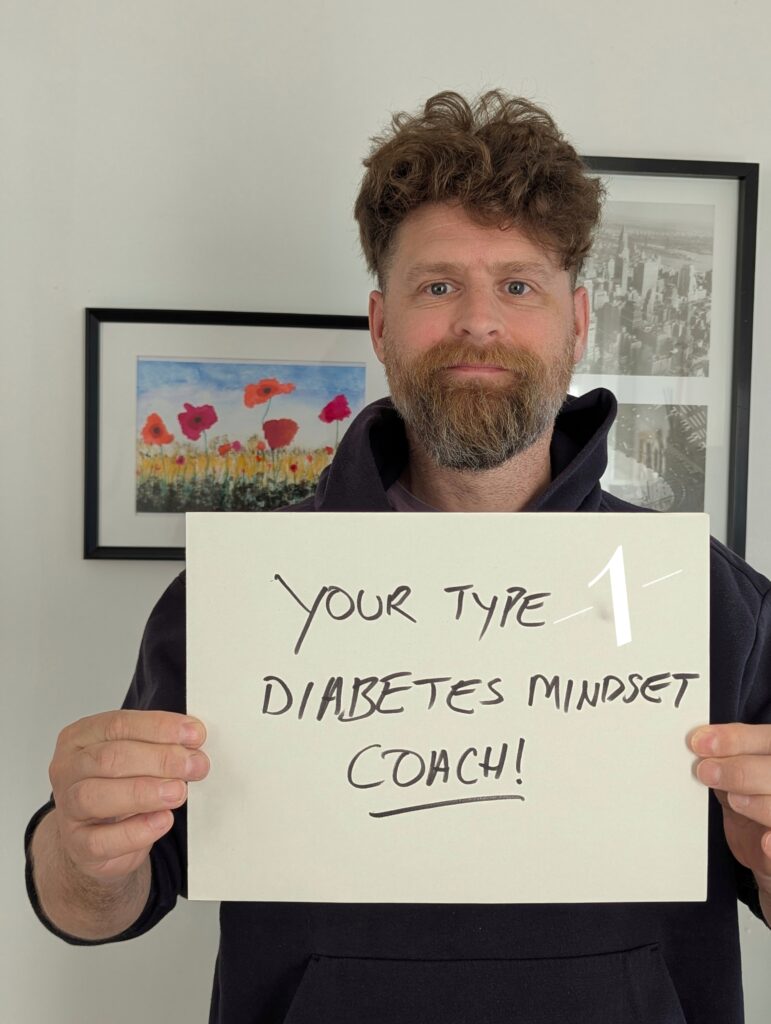
If diabetes is taking over your head, you’re not alone. I help people reset their mindset so they feel calmer and more in control.
👉 Start here: mindoversugar.org
Why Type 1 fuels bitter thought patterns
Living with a condition that never clocks out builds frustration. It also builds resentment. That resentment doesn’t float away. It hardens.
The daily grind that never pauses
You wake up thinking of numbers. You go to sleep thinking of numbers. Every meal requires negotiation. Every plan requires adjustment. The mind never rests. This relentless pace feeds bitter emotion and strengthens it with exhaustion.
The unfairness narrative
You didn’t sign up for this. You didn’t volunteer. Yet you carry it anyway. When life feels like it plays favorites, the brain writes a story of injustice. That story becomes the breeding ground for bitterness.
How bitter emotion hijacks thoughts
The mind spins. Replays. Rewrites. You fixate on worst-case scenarios. You curate anger on repeat.
Mental loops and obsession
The same thought reappears. “Why me?” again and again. You search for answers that never arrive. These loops reinforce bitter emotion until it feels permanent.
Catastrophic thinking
One high reading becomes a future disaster. One bad day becomes a ruined life. Bitter thoughts take small moments and turn them into monolithic fear.
The emotional chemistry of resentment
Resentment releases stress hormones. Cortisol floods the body. Tension locks into muscles. Breathing shortens. The nervous system stays on red alert. Your own body starts to feel like a battleground.
Anger versus bitter emotion
Anger flashes. It burns hot and quickly. Bitter emotion simmers low and long. It doesn’t shout. It poisons. It seeps into identity and teaches you to define yourself by what hurts.
The body’s reaction to long-term bitterness
Chronic tension shows up as headaches, fatigue, and restlessness. Sleep breaks. Motivation drops. The mind wants escape, yet can’t find it.
Isolation and the bitter mindset
Bitterness isolates. You assume no one understands. You stop explaining. You stop sharing. Your world shrinks to a single narrative of struggle.
Language shaped by bitterness
Words become sharp. Sarcasm becomes armour. Humour turns dark. Conversations carry edge. The world hears resentment even when you don’t speak it aloud.
Relationships strained by bitter emotion
Loved ones feel the tension. Friends sense withdrawal. Small misunderstandings erupt into major conflicts. Bitter emotion quietly becomes the third person in every relationship.
The lie that bitterness protects you
The mind insists that bitterness shields you from disappointment. In reality, it keeps you trapped in it. It trades temporary control for long-term pain.
The moment you ask: what if I released it?
This question breaks the spell. Even considering a different way cracks open a door. Possibility floods in. Fear appears, but hope walks in too.
Imagining life without bitter emotion
Life would feel lighter. Choices would feel freer. Energy would return to places where joy used to live. You would breathe differently. You would plan differently. You would exist differently.
The cost of carrying inner venom
Bitterness robs you of presence. It steals laughter. It drains creativity. It converts living into surviving. And that cost compounds every single day.
The strange comfort of familiar resentment
Even pain can feel safe when it becomes routine. The mind clings to what it knows. Releasing bitter emotion can feel scarier than staying with it.
Identity entangled with bitterness
You start to believe that this emotion defines you. You wear it like a second skin. You forget who you were before it arrived.
The role of grief in bitter emotion
Grief underlies the anger. You grieve the life you imagined. You grieve simplicity. You grieve freedom. Acknowledging that grief softens the sharpest edge of bitter emotion.
Tiny shifts that begin the release
Small changes matter. They stack. They rebuild the inner world.
Awareness
You notice the thought instead of becoming it. You name the feeling. You separate yourself from the storm.
Interruption
When the bitter spiral begins, you break the pattern. You move your body. You shift your focus. You change the input.
The courage to choose a different response
Choice returns. Even in hard moments, you reclaim agency. You respond with intention instead of instinct.
Rewriting the internal narrative
The story changes from punishment to challenge. From victim to navigator. From trapped to adapting. Words shape experience. You now choose new words.
Self-compassion as an antidote
Kindness toward yourself dissolves harsh inner language. Compassion quiets the brain. It soothes the sharp edge of memory and regret.
How I help..
If diabetes is taking over your head, you’re not alone. I help people reset their mindset so they feel calmer and more in control.
👉 Find out more here
Finding meaning beyond bitterness
Pain can transform into purpose. Experience can turn into wisdom. Even bitter emotion can become a teacher when you refuse to let it define you.
Support that soothes the sharp edge
Connection weakens resentment. Community reminds you that you aren’t alone. Shared understanding dismantles isolation.
External resources for support and understanding:
- Diabetes UK – emotional wellbeing support
- Mental Health Foundation – tools for emotional regulation
Growth that comes after release
Without constant bitterness, you create space for growth. Curiosity returns. Imagination revives. You begin living forward again.
Peace as a daily practice
Peace doesn’t appear once. You practice it. You choose it. You build it each day through tiny intentional actions.
Choosing light over lifelong resentment
You don’t erase the past. You transcend it. You carry wisdom instead of rage. You still feel. You just no longer let bitter emotion control the narrative.
Ready to let go of the weight?
If you’re done letting bitter emotion run your life, the Mindset Reset Guide was built for this exact moment. It helps you interrupt destructive thought cycles, rebuild clarity, and replace resentment with resilience.
Yours as always,
Pete
T1D Mindset Coach