
Body scan meditation script for diabetes burnout—because sometimes it’s not your blood sugar that’s exhausting… it’s everything else.
Some days, diabetes feels like a full-time job you never applied for.
You check your numbers.
You adjust.
You think about it again.
And even when everything looks “fine”… your mind doesn’t switch off.
That’s where this comes in.
This simple body scan meditation helps you slow down, reconnect with your body, and take back a bit of control—without trying to “fix” anything.
What is a body scan meditation script?
A body scan meditation script is a verbal (or written) guide that leads you to systematically attend to each part of your body, noticing sensations, tension, temperature, discomfort, or nothingness.
It prompts you to hold space for what arises—without judgment—and encourages curiosity as you traverse from feet to head (or vice versa).
Why Diabetes Burnout Feels So Overwhelming?
- Mental load
- Constant decision-making
- Emotional exhaustion
Body Scan Meditation Script for Diabetes Burnout
Why write your own body scan meditation script?
Prepackaged scripts are great, but crafting your own gives you ownership. You tailor pacing, pauses, language tone, and special cues that resonate with your body and emotional style.
You can adjust it on the fly. You don’t depend on someone else’s voice or schedule—so you can do it when you need it.
Relevance for us type 1 diabetics
Coping with type 1 diabetes demands constant attention to glucose, insulin, diet, stress, and emotional well-being. Mindfulness practices have shown to reduce diabetes distress and improve self-care. Medtronic Diabetes+1.
A body scan helps reconnect with one’s body in a compassionate way. It can help lower stress hormones that interfere with glucose control, and cultivate patience and acceptance in the often relentless fight of daily diabetes management.
Benefits of using a body scan meditation script
Stress and cortisol
Chronic stress triggers elevated cortisol, which can destabilise blood sugar. A body scan meditation script invites the nervous system to shift into parasympathetic modes—lowering “fight or flight” tension. As you soft-listen into tension and release, you quiet internal alarm signals.
Emotional resilience and reduced diabetes distress
Living with type 1 diabetes intensifies emotional burden—fear, burnout, shame, fatigue. Mindfulness practices help reduce “diabetes distress” and foster acceptance. A body scan shifts you from resistor to compassionate witness of your internal landscape.
Better interoceptive awareness
You learn to distinguish subtle internal cues—muscle tightness, tension, internal “buzz.” That skill translates to noticing bodily signals relevant to glucose fluctuations (hunger, tingling, sweat) before they get worse.
Enhanced sleep quality
Doing body scans before sleep often relaxes the body and mind, easing tension and paving a smoother transition into restful sleep. That sleep supports metabolic health, mood, and resilience.
Low barrier — usable anywhere
You don’t need gear or apps to use a body scan meditation script. You only need a quiet space—even five minutes in a corner works. You hold the script in your mind (once memorised) or read/record it.
Complement to medical care
This practice doesn’t conflict with insulin or CGM protocols. It acts as a support tool—not a replacement. It fits into your self-care tool belt, not instead of medical care.
Feeling overwhelmed by diabetes?
Living with Type 1 diabetes can feel mentally exhausting. If burnout or frustration is creeping in, a quick mindset reset can help.
Download the free Mindset Reset Guide for Type 1 Diabetes and learn simple ways to calm your thoughts and regain control.
Potential drawbacks and cautions
Time and consistency demands
Change requires consistency. You must commit. If you skip weeks, gains slip. Building a habit takes patience.
Frustration with wandering mind
Your attention will wander. That’s expected—but if frustration becomes intense, you may abandon the practice. You need gentle self-compassion to return again and again.
Emotional surfacing (hard feelings)
You may unearth sorrow, fear, body shame, grief. These are natural. But if overwhelming, you need support. Don’t ignore strong emotional reactions.
Not a substitute for medical therapy
This practice augments but never replaces insulin, diet, glucose monitoring, medical oversight. Always prioritise medical protocol.
Risk of over-focusing on body anomalies
Sometimes focusing on sensations may amplify concerns or hypochondriac worry. If you notice obsessive patterns, scale back or consult a therapist.
How to create your own body scan meditation script
Step 1: Get Comfortable
Pick a cozy posture—lying flat on a mat, or seated upright. Use a cushion, blanket, or chair support. Silence your phone. Let the space feel safe.
Step 2: Focus on Your Breath
Spend a minute guiding attention to breaths—in and out. Use grounding imagery: “Breathe into your belly, feel expansion, allow exhalation to soften you.”
Step 3: Scan from Head to Toe
Divide the body into segments: toes, feet, ankles, calves, knees, thighs, hips, pelvis, abdomen, chest, back, shoulders, arms, hands, fingers, neck, face, scalp. Move slowly.
Step 4: Notice Without Judging
At each region, pause. Ask: “What do I sense? Tingling? Heat? Stillness? Tension? No sensation?” Let curiosity be your guide.
Step 5: Gently Return
Gently guide back: “Now widen your awareness to the room. Hear sounds. Wiggle your fingers. Open your eyes when ready.” Let the border between meditation and daily life soften.
When to Use This Meditation
- After high/low blood sugar stress
- Before bed
- During overwhelm
Sample body scan meditation script (full)
(Feel free to adapt, shorten, or embellish as suits you.)
Opening lines
“Make yourself comfortable. Close your eyes or soften your gaze. Pause. Let your breath arrive. I invite you to journey inward, one region at a time. Allow curiosity—not agenda—to guide you.”
Legs, feet, toes
“Bring attention to your toes. Wiggle if that helps. Notice sensations. Warmth, coolness, tingling, nothing. Breathe into each toe. Shift to the soles, heels, tops of feet. Breathe. Soften tension. Then ascend to ankles, calves, shins. Observe textures, pressure, subtle tremors.”
Lower torso, hips, pelvis
“Move awareness to knees, then thighs, inner and outer. Gradually shift to hips and pelvic bowl. Sense how they rest. Any tightness or weight? Breathe into that. Let your breath cradle the pelvis.”
Abdomen, lower back
“Focus on belly, lower abdomen. As you breathe, feel the rise and fall. Notice subtle shifts. Then bring awareness to the lower back. Any stiffness? Expand awareness, as though breathing dimensions into both front and back.”
Chest, upper back
“Sense rib cage rising and falling. Notice heart region. You might even sense your heartbeat. Move your attention to upper back, shoulders. Where are they held? Breathe softness in.”
Arms, hands, fingers
“Travel down shoulders, to upper arms, elbows. Then forearms, wrists, palms, fingers. Perhaps a tingling edge, perhaps stillness. Breathe into each cell. Soften muscular tone.”
Neck, face, head
“Gently shift to neck, throat, jaw. Notice if the jaw clenches. Relax lips, tongue, cheeks. Move to nose, eyes, temples, forehead. Soften the brow. Sense the scalp, crown of your head.”
Whole-body sweep & breath
“Now bring attention to the entire body as a unified field. Feel breath sweeping from toes to crown. Sense energy flowing. Let sensations co-exist. Breathe into any leftover tension. Let your body rest in awareness.”
Closing remarks
“As this practice ends, thank your body. Gently wiggle fingers and toes. Bring small movements into arms and legs. When you’re ready, open your eyes—or simply lift your gaze. Take a moment to integrate. Carry forward this presence into your day.”
Tips for practicing and adapting your script
How long should a session be?
Start with 5–10 minutes if you’re new. Gradually move to 20–30 minutes. Even brief scans help.
Daily vs occasional practice
Daily (or nearly so) offers compound benefits. But occasional practice still offers reset. Aim for consistency over perfection.
Adjusting pace, pauses, and wording
Lengthen the pause in sensitive areas; speed through neutral zones. Use language that suits your style—poetic, simple, metaphorical.
Using voice recordings or playback
Record your voice reading your script. Play it back in your own tone. Or use variable speed if you want slower pacing.
Handling distractions and interruptions
If your mind leaps away or interruptions arise (noise, device alarms), gently return—no shame. Acknowledge the sound, let it pass, return to scanning.
Maintaining motivation
Track progress, journal experiences, notice changes. Reward yourself for consistency. Share your journey with trusted peers.
Body scan for type 1 diabetics: Why It’s Vital..
Blood sugar awareness during meditation
Before deep relaxation, ensure your blood sugar level sits well within a safe range. Don’t practice when dangerously low. Be mindful that deep relaxation may mask hypoglycaemic sensations.
Dealing with insulin, pump alarms, CGM alerts
If you wear a pump or CGM, silence non-critical alerts or choose a meditation window when alarms are less likely. If alarms interrupt, treat them gently—deal with the alarm, then re-anchor gently back to your scan.
Addressing the inner sceptics
“I’m bad at meditation”
You don’t have to be good. You only need to show up. Thoughts will wander. That’s normal. Over time, your “wandering mind muscles” strengthen.
“I don’t have time”
Even a short, anchored 5-minute scan counts. It’s not about perfect duration—it’s about presence. Over time you’ll slot it in naturally.
“It’s woo-woo, not medical”
Think of it as neuroscience + psychology + self-care. It doesn’t replace insulin, but it influences stress physiology, emotional regulation, and behaviour.
Frequently asked questions
Can I do this lying down or sitting?
Yes. Lying (supine) is common, but sitting upright also works. Choose what feels stable and alert.
What if I fall asleep?
If you nod off, that’s okay occasionally. But shorter daytime sessions may reduce drowsiness. If sleep is persistent, ensure you’re not overtired.
How often? How long?
Aim for 4–7 times per week, 10–30 minutes per session. Adjust based on lifestyle and capacity.
Can I share it with others?
Yes—friends, family, clients—if you feel comfortable. Always clarify it’s a guide, not prescription.
Using body scans in your wider self-care plan
Pairing with mindful breathing, walking, or yoga
Use scans after a breathing exercise. Or end a mindful walk with a mini scan. Let modalities reinforce one another.
Tracking mood, stress, glucose trends
Keep a simple log: date, duration, mood, glucose before/after. Over time see patterns and feedback.
Using it before or after injections or glucose checks
Scanning before injections may calm nerves; scanning after may help you notice how your body processes the insulin dose.
Combining with therapy or coaching
Bring insights from your scans to reflection, journaling, or therapeutic sessions. Let emotional material inform growth.
Check these out as well..
External links
key takeaways
A body scan meditation script empowers you to craft a bespoke, portable tool of inner awareness. For type 1 diabetics, it offers stress reduction, emotional resilience, and a subtle adjunct to metabolic balance—though never a substitute for medical care.
The pitfalls (wandering mind, emotional surfacing, time demand) are real but manageable. With gentle consistency, you can turn this practice into an ally in your health journey.
You’re Not a Machine (And You Don’t Need to Be Perfect)
There’s this quiet pressure that comes with T1D.
To get it right, stay in range; to always be “on top of it.”
But here’s the truth no one really says out loud…
You’re not a machine.
You’re a human being trying to manage something relentless, invisible, and exhausting — every single day.
And some days?
You will feel tired of it, feel really frustrated; you might even want to switch off completely.
That doesn’t make you lazy.
It doesn’t make you “bad” at diabetes.
It makes you human.
This is your reminder that you don’t have to fix everything today.
You don’t have to chase perfect numbers because they don’t exist. There’s also no reason why you should have to have it all together.
Sometimes, the most powerful thing you can do… is pause.
Breathe.
And come back to yourself.
Still Feeling Controlled?
If you’re tired of feeling controlled by your numbers and stuck in your own head…
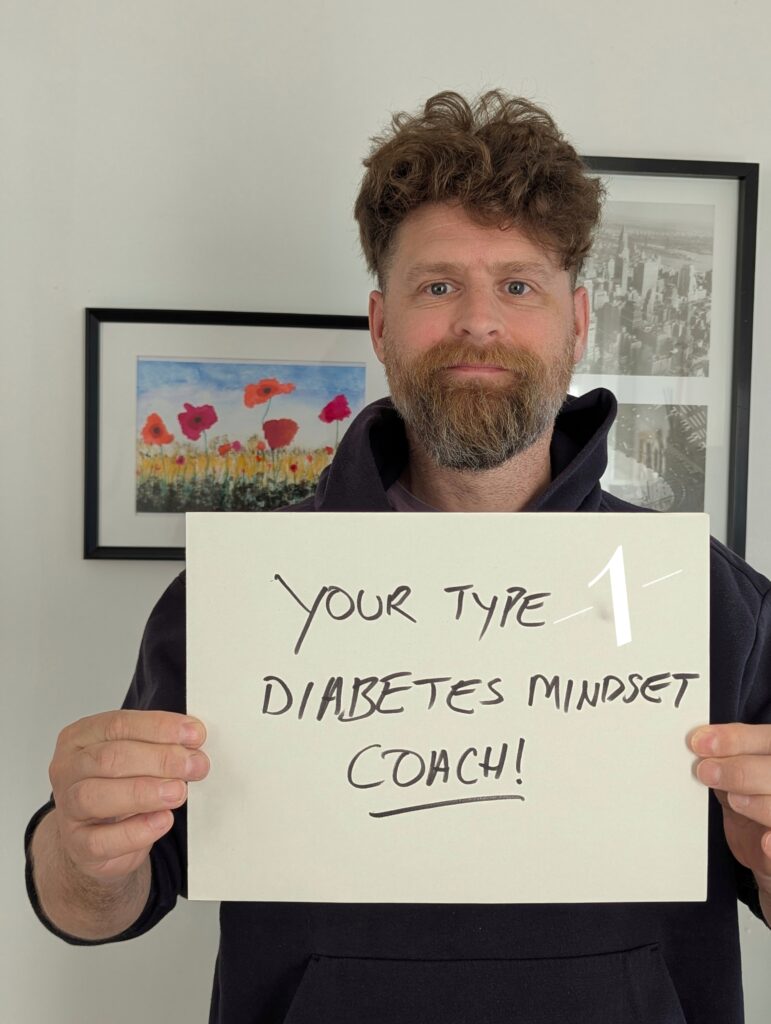
I help people with diabetes reset their mindset so they can feel calmer, more in control, and more like themselves again.
👉 Start here 🙂
Speak soon,
Pete
T1D Mindset Coach