Diabetes jokes offensive? The question that refuses to go away
Diabetes jokes offensive? The question always circles back, louder than the beep of your CGM, because some people clutch pearls; and others laugh through the type 1 insanity. As someone living with Type 1 diabetes, humour does not wound, instead it liberates. It slices through fear, and it dissolves taboo. Laughter becomes oxygen in a world built on calculations, needles, and relentless vigilance.
Dark humour does not mock the condition. It mocks the imprisonment of silence.
Why dark humour matters in chronic illness
Living with a chronic condition forces constant negotiation with reality. Numbers dictate safety. Routines chain the day. Dark humour cracks that cage.
Short laughs bring breathing space. Long laughter returns power. Joke aren’t weakness. They’re strategic.
The psychology of laughter in pain
Laughter triggers dopamine. It pauses rumination. It interrupts panic. The brain shifts momentarily from danger to safety. In that brief interval, the body rests.
Humour becomes a neurological refuge.
Do you more than humour?
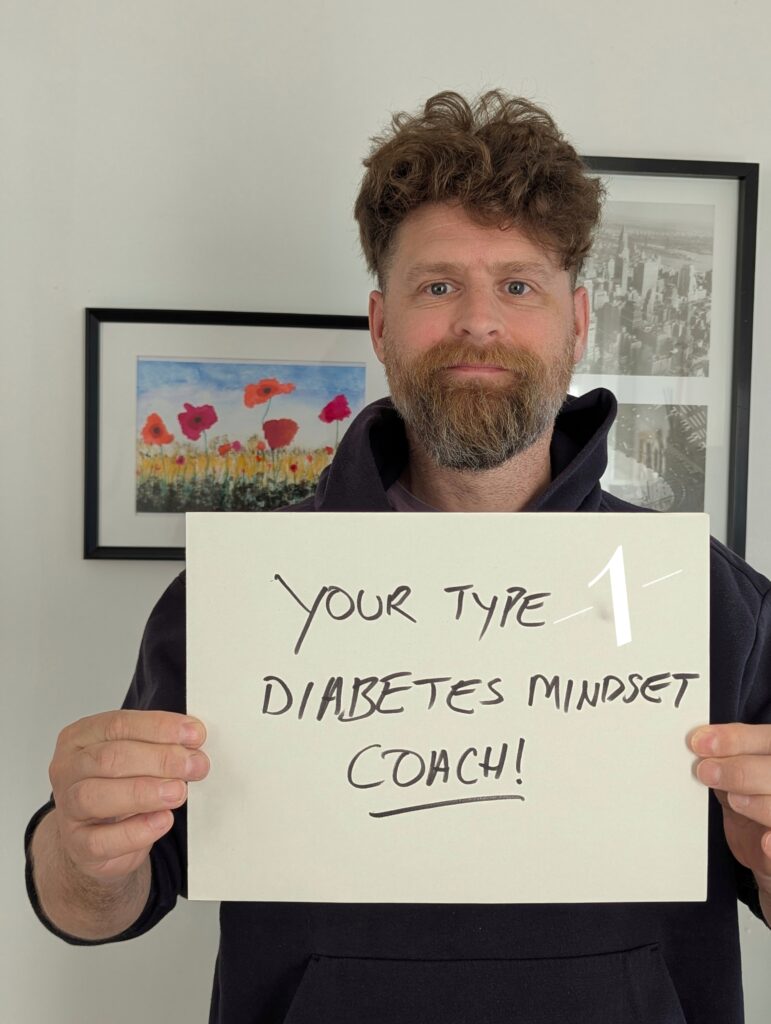
If your T1D is taking over your mind, you’re not alone. I help people reset their mindset so they feel calmer and more in control.
👉 Start here: mindoversugar.org
Humour as a survival reflex
Humour does not ignore suffering. It steps into it, kicks the door open, and redecorates the space with something irreverent. Survival often looks ridiculous.
And that is the point.
Who gets to joke about diabetes?
Ownership matters. When jokes come from those living the experience, they carry context, nuance, and truth. When jokes come from the outside, they often miss the marrow.
Lived experience creates permission.
The different flavours of diabetes jokes
Not all jokes taste the same. Some sting. Others soothe. See here.
Self-deprecating
These jokes point inward. They transform frustration into absurdity. They reclaim incompetence and crown it as comedy.
Satirical
These jokes criticize the system. Insurance companies. Medical bureaucracy. Food labels that lie. Satire exposes structural madness.
Observational
These jokes point out the surreal: injecting in bathrooms, the paranoia around juice boxes, strangers asking if cinnamon cures anything.
Reality writes the punchline.
When “offensive” actually means uncomfortable truth
The word “offensive” often masks discomfort. People squirm when faced with the rawness of chronic illness. Jokes rip off the veil. They force honesty.
That honesty is not cruelty. It is clarity.
The fine line between funny and harmful
Humour walks a tightrope. It can heal or harm.
Punching up vs punching down
Punch up at systems. Punch up at ignorance. Punch up at injustice. Never punch down at those already carrying invisible burdens.
That is the rule.
Social media and the rise of diabetes humour
Threads, reels, and memes showcase sarcastic honesty. People bond over shared absurdity. A digital tribe forms around gallows humour.
Connection multiplies.
Memes as modern coping mechanisms
A single image with a snarky caption can say what ten therapists cannot. Memes turn isolation into shared language.
They whisper: You are not alone.
Comedy as rebellion against stigma
Humour dismantles clichés. It rejects pity. It denies the narrative of fragility. A joke is an act of defiance.
It says: I still own myself.
How humour helps talk about burnout
Burnout suffocates quietly. Jokes drag it into the light. “I am so tired I would inject coffee into my bloodstream” carries truth wrapped in comedy.
Honesty becomes palatable.
Using jokes to educate without lecturing
A joke slips past defences. It teaches without preaching. People remember punchlines longer than pamphlets.
That is persuasion.
The danger of toxic positivity
Forced optimism silences reality. “Stay positive” becomes another form of erasure. Dark humour counters that. It validates pain without dressing it in glitter.
It feels real.
Why silence hurts more than a bad joke
Silence isolates. Silence builds shame. Silence turns the body into an enemy. A joke, even a clumsy one, opens dialogue.
Noise heals more than quiet.
Cultural perspectives on illness humour
Some cultures forbid laughter around illness. Others embrace it. Context alters reception. Yet human resilience consistently finds expression through wit.
Across borders, laughter persists.
How friends and family should approach diabetes jokes
Listen first. Observe tone. Respect boundaries. Support the humour that comes from within. Never perform it on behalf of someone else.
Permission precedes punchline.
Real voices from the diabetes community
People joke about midnight lows, exploding pens, and the emotional chaos of living with a malfunctioning pancreas. These jokes carry grief and grit in equal measure.
Truth fuels humour.
Turning awkwardness into connection
A joke can collapse distance. What once felt untouchable now feels shared. Laughter connects where fear once lived.
Connection saves.
Building boundaries around humour
Not all jokes deserve laughter. Boundaries protect the heart. Choose when to laugh. Choose when to confront.
That choice is power.
Laughter as a form of advocacy
Humour travels faster than lectures. It carries awareness into rooms that fear educational language. It sparks conversation.
Conversation sparks change.
Internalising shame vs externalising humour
Shame rots inward. Humour explodes outward. One destroys. One frees.
Choose expansion.
Making space for rage and laughter together
Humour does not erase anger. It sits beside it. Both emotions coexist. Both deserve breath.
Diabetes jokes offensive? Or radically honest?
diabetes jokes offensive? Only when viewed through the lens of discomfort. For those living the experience, these jokes feel like confession, and a f*cking good release!
The difference lies in intention and ownership.
How humour fuels resilience
Resilience does not always look noble. Sometimes it looks sarcastic, sharp-tongued, and wildly inappropriate. Sometimes it looks like laughing in hospital corridors.
That laughter fortifies.
Reflection: what your laughter really means
Your laughter means you still exist beyond numbers. It means life still contains spark. It means your identity transcends diagnosis.
That truth matters.
How I can help..
If diabetes is taking over your head, you’re not alone. I help people reset their mindset so they feel calmer and more in control.
👉 Find out more about what I do here.
Laughter won’t fix your diabetes but it will definitely make things lighter!
Until next time,
Pete