Living With Type 1 Diabetes and Emotional Awareness
Emotional intelligence scale work helps people with T1D understand emotions before emotions drive decisions. Because diabetes demands constant attention, emotions often sneak into every choice. Therefore, awareness changes outcomes. Instead of reacting on autopilot, you pause. Then, you choose with clarity.
Why Emotional Skills Matter With T1D
Diabetes stress stacks quickly. However, emotional skills create space between feeling and action. As a result, you protect energy. Moreover, you reduce burnout. Consequently, you stay more consistent with care.
What Emotional Intelligence Covers
Emotional intelligence includes awareness, regulation, motivation, empathy, and communication. In other words, it shapes how you relate to your inner world and to others. Because T1D touches every part of life, these skills guide daily care more than willpower ever could.
Self-awareness in daily care
You notice frustration after stubborn highs. Likewise, you catch fear after sudden lows. Therefore, you respond with intention rather than self-judgment.
Self-regulation under pressure
You pause before reacting to numbers. Then, you slow your breath. As a result, you redirect energy to the next useful step.
Motivation on hard days
Some days drain momentum. However, small goals keep you moving. Consequently, you protect morale and stay engaged.
Empathy and communication
You explain needs clearly. At the same time, you set boundaries. Therefore, relationships feel steadier.
The Emotional Intelligence Scale Explained
An emotional intelligence scale offers a baseline for emotional skill. In other words, it shows where you stand today. Moreover, the emotional intelligence scale highlights areas for growth. Because it reflects patterns, it guides practice without judgment.
Why an Emotional Intelligence Scale Helps With T1D
Chronic illness strains emotional bandwidth. Therefore, the emotional intelligence scale brings clarity. In addition, it shows where stress erodes focus. As a result, you train the right skills instead of guessing.
Validated Emotional Intelligence Tools
You deserve tools with evidence. Therefore, choose validated instruments.
MSCEIT
This test measures emotional abilities through tasks. As a result, it shows how you perceive and manage emotion in real time.
TEIQue
This questionnaire maps emotional traits like self-control and well-being. Therefore, it paints a broad emotional profile.
SSEIT
This self-report tool offers a fast snapshot of everyday emotional skill. Consequently, it suits quick reflection and coaching.
What These Scales Show in Real Life
Each emotional intelligence scale captures how you process emotion, interpret signals, and act under stress. Together, they reveal patterns. Therefore, you gain leverage to change what drains you.
Emotional Patterns in Diabetes Life
Certain readings trigger panic. Meanwhile, others trigger shame. However, when you spot patterns, you break loops. Then, you choose steadier responses.
Stress, Sleep, and Glucose Shape Mood
Poor sleep frays patience. Likewise, volatile glucose skews mood. Therefore, you plan gentler days. As a result, you reduce unnecessary friction.
Emotional Intelligence and Burnout
Burnout grows when emotion disconnects from care. However, emotional skills rebuild that link. For deeper support, explore T1D burnout recovery and Emotional scale. Consequently, you protect long-term stamina.
Simple Ways to Grow Emotional Skill
Name feelings. Then, pause before reacting. Next, ask one curious question about your inner state. Over time, practice compounds.
Micro-Habits That Actually Stick
Take three slow breaths before dosing. Also, write one honest line about your mood. Therefore, small habits build stability.
Journaling for Fast Insight
Short notes reveal triggers and relief points. As a result, patterns emerge. Consequently, clarity follows.
Support Systems Matter
Community steadies emotion. Moreover, education reduces isolation. Therefore, explore Beyond Type 1 and Diabetes UK for grounded support.
When This Feels Like Too Much
Some days drain capacity, but that okay because that happens. However, choose one skill. Then, rest without guilt. Afterward, resume.
Progress Over Perfection
Track trends, not flawless streaks. As a result, consistency grows. Therefore, your momentum builds.
Create a Simple Growth Plan
Pick one emotional intelligence scale to baseline. Then, choose two habits to practice weekly. Finally, review monthly.
Next steps
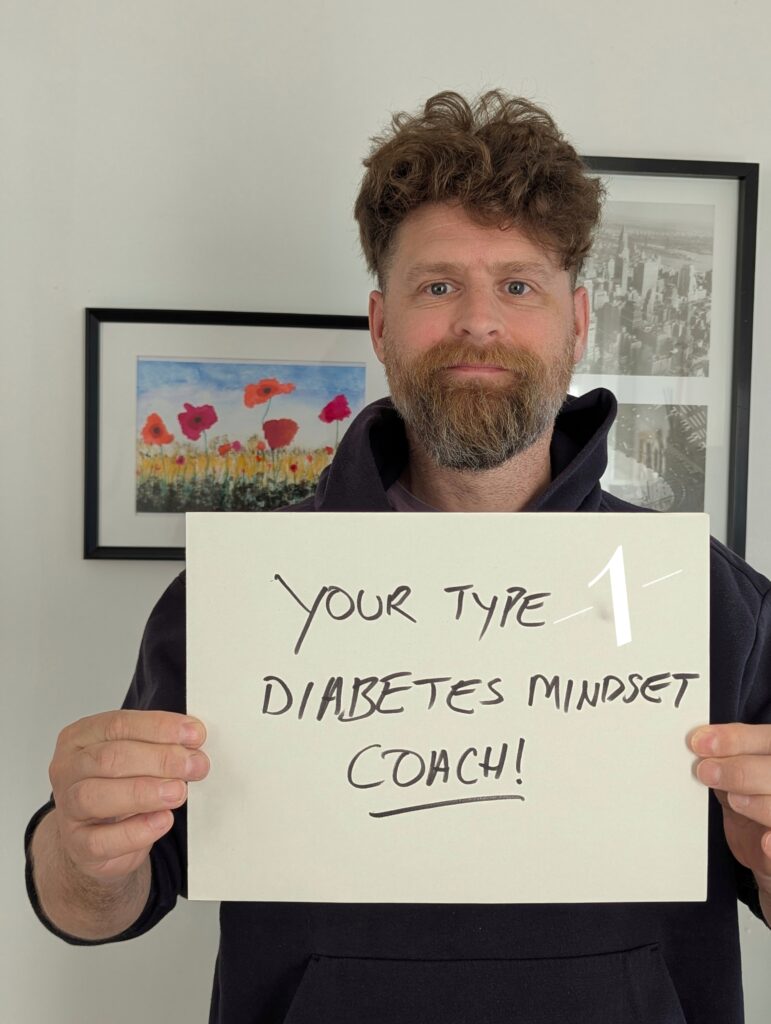
If you want support turning insight into action, book your free 30-minute discovery call. Together, we’ll map where you stand on the emotional intelligence scale and build a plan that fits real life with T1D.
Yours,
Pete