The daily emotional weight of living with Type 1 diabetes
The emotional toll of type 1 diabetes shows up in the first thought of the morning and often follows you into sleep. You check numbers, make choices, and solve tiny problems all day, so the brain rarely rests. Because of that, emotions pile up quietly, and stress sneaks in before you even notice.
Still, awareness creates power. When you name the weight instead of ignoring it, you start taking back control, and your nervous system finally gets a chance to breathe.
Why emotions swing faster with blood sugar shifts
Blood sugar changes affect mood quickly, so irritability, sadness, or foggy thinking can hit without warning. Also, the body reacts before logic steps in, which makes emotions feel louder than reason.
Yet knowing this pattern reduces fear. Instead of blaming yourself, you learn to pause, hydrate, breathe, and stabilize before reacting. That small delay protects emotional energy.
Naming feelings without shame or guilt
Emotions deserve honest names. Say “I feel worn out” or “I feel scared,” and drop the judgment. When you label emotions clearly, the brain calms faster.
Also, honesty reduces internal pressure. You stop fighting yourself, and you start building emotional trust instead of emotional tension.
Building emotional safety during unpredictable days
Safety does not mean control. Safety means knowing how to respond when chaos appears. Simple plans create comfort, so you feel less trapped by surprise swings.
For example, keep calming music ready, plan quick snacks, and prepare grounding habits. These small anchors bring steadiness when numbers jump.
Creating small routines that calm the nervous system
Tiny routines lower stress faster than big plans. Drink water, stretch gently, or step outside for light. These signals tell the body that danger has passed.
Also, routines remove decision fatigue, so mental energy stays stronger across the day.
Using breath to steady emotional spikes
Breath controls the stress response. Slow breathing sends safety signals to the brain, and longer exhales soften tension quickly.
Try inhaling for four counts and exhaling for six. That simple rhythm creates calm without effort.
Moving the body to release stored stress
Gentle movement releases trapped emotion. Walk, stretch, or sway to music. Motion clears mental fog while lifting mood naturally.
Also, movement boosts confidence, so you feel capable instead of stuck.
Talking back to harsh inner thoughts
The mind sometimes tells dramatic stories. Catch those thoughts early and replace them with kinder truth.
Say, “Today feels hard, but I still show up.” This shift protects self-trust and lowers emotional strain.
Emotionally taxing
Perfection feeds stress. Biology changes daily, so rigid control creates frustration instead of safety.
Aim for consistency, not flawless results. Progress always beats pressure.
Relieving mental toll
Support should feel safe, not noisy. Choose people who listen first and advise second.
Also, honest conversations build emotional relief faster than surface-level cheer.
Setting emotional boundaries with advice overload
Too many opinions increase anxiety. Limit exposure to advice when emotions feel fragile.
Protect your mental space so clarity can return naturally.
Finding joy without earning it first
Joy does not require perfect numbers. Laugh, create, and rest simply because you exist.
Pleasure balances stress and restores emotional resilience over time.
Reframing setbacks as data, not failure
Setbacks teach patterns. Look for information instead of blame.
This mindset shift protects motivation and strengthens confidence.
Resting the mind when burnout creeps in
Burnout signals overload, not weakness. Pause before exhaustion deepens.
Short breaks, quiet moments, and gentle boundaries rebuild emotional capacity.
Using simple grounding tools when emotions feel loud
Grounding brings the mind back to the present. Touch something solid, name five visible objects, or sip warm tea.
These simple actions stabilize the nervous system quickly.
Building emotional resilience with Type 1 diabetes habits
Resilience grows through repetition. Healthy sleep, gentle movement, hydration, and honest self-talk build emotional strength daily.
Consistency beats intensity every time.
Preventing diabetes burnout before it snowballs
Notice early warning signs like irritability, avoidance, and mental fatigue. Act early with rest and support.
Small resets prevent big crashes later.
Staying connected to purpose beyond numbers
You bring value beyond data. Creativity, relationships, and personal goals remind you of identity outside diabetes.
Meaning fuels emotional stability long-term.
Practicing self-kindness on messy days
Messy days happen. Speak kindly instead of harshly.
Compassion restores balance faster than criticism.
Creating a personal emotional reset plan
Design a simple reset plan with calming habits, safe people, and grounding tools.
Preparation builds confidence before stress hits.
Knowing when extra support helps most
Sometimes self-help feels heavy. Coaching, therapy, or guided mindset work offers fresh perspective and accountability.
Outside support often accelerates emotional growth.
Handling the emotional toll like a boss..
Living with diabetes challenges emotions daily, yet growth remains possible. With steady tools and gentle habits, the mind regains balance, and life feels lighter again. Over time, the emotional load shrinks, and confidence grows.
The journey through the emotional toll strengthens resilience when you build skills intentionally and consistently. With practice, the emotional toll loses its grip, and calm returns more often than chaos.
For trusted education and community support, explore Beyond Type 1 and Diabetes UK for reliable guidance and connection.
Ready?
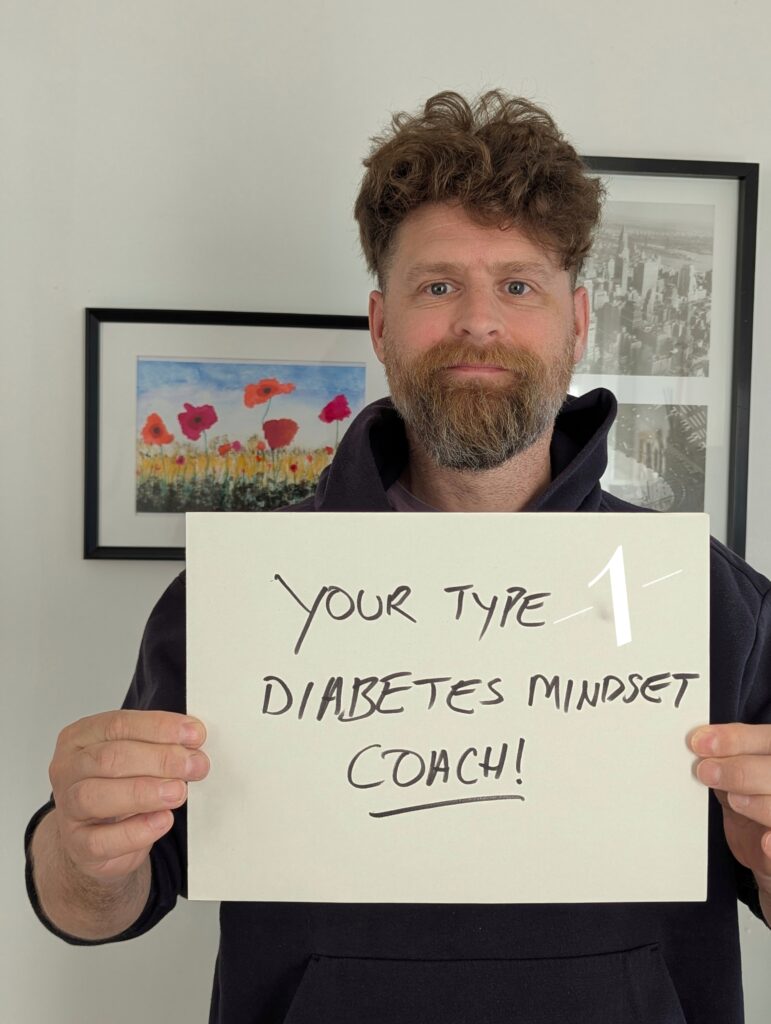
If you want steady the emotional toll and start living your best life, book your free 30-minute discovery call to see if we could be a good fit to work together in my coaching service. Small changes now can create lasting calm, stronger confidence, and better daily balance.
Pete,