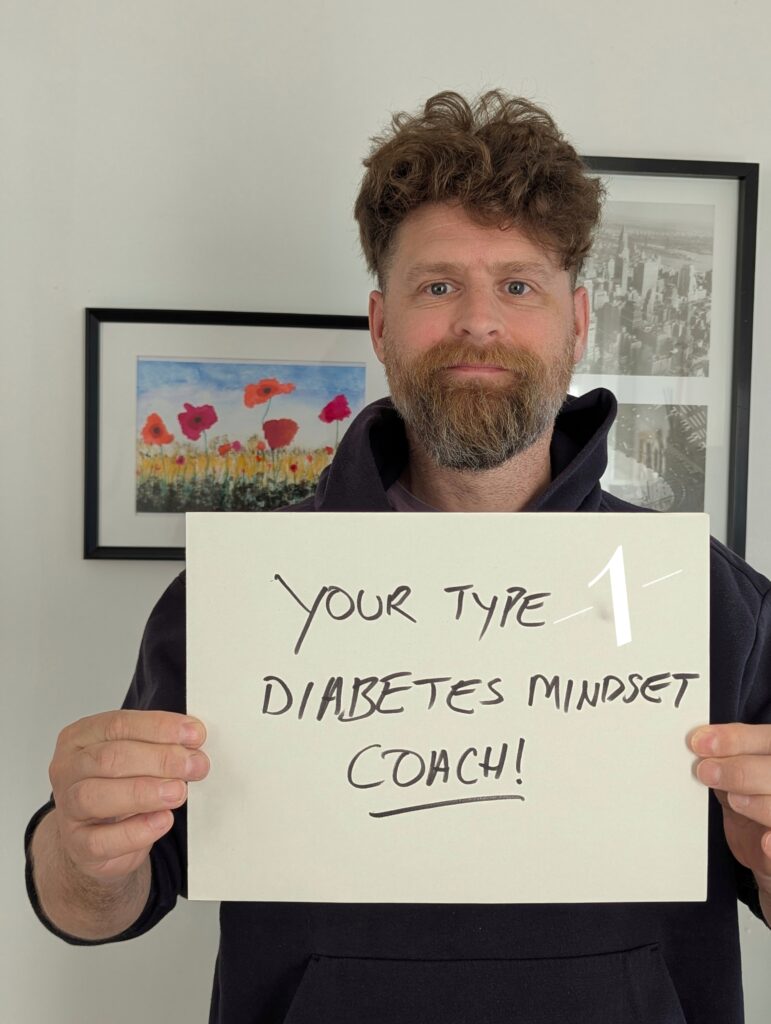
Internal Thoughts: Transforming the T1 Mindset
Internal thoughts shape every moment of life with Type 1 diabetes, and they often steer the emotional tone of the entire day. Although every T1 knows the physical demands of managing the condition, the mental spiral feels just as relentless. Therefore, this post dives into how to rewrite those internal thoughts so they start working for you instead of dismantling your sanity.
Why Internal Thoughts Shape Every T1 Moment
Because T1 life demands constant decision-making, internal thoughts can either amplify resilience or spark chaos. Although numbers shift, the story you tell yourself decides how heavy those shifts feel. Therefore, learning to direct the narrative becomes a non-negotiable survival tool.
The Emotional Whiplash of Type 1 Diabetes
Type 1 creates rapid-fire emotional swings because decisions never stop. One minute you’re fine, and the next you’re bargaining with your CGM like it’s a hostile negotiator. Although this volatility feels normal, you can still learn to steady yourself through mindful redirection.
Recognizing When Internal Thoughts Turn Toxic
You know when the shift happens. A simple “hmm, that’s odd” becomes “my body hates me,” which becomes “today is ruined,” which becomes a mental landslide. Although those thoughts feel automatic, you can catch the downward pull early with awareness.
Interrupting Catastrophic Thinking in Real Time
Interrupt the spiral the moment you sense acceleration. Use a sharp phrase like “Hold up,” “Pause,” or “Not today.” Although it seems insignificant, this micro-interruption breaks the trance of negativity.
Why T1 Brains Drift Toward Doom Spirals
Chronic vigilance wires your brain to search for threats. Therefore, your internal thoughts naturally overscan for danger—even when none exists. Although this wiring feels fixed, you can still train it to interpret sensations differently.
The Science Behind Thought Re-Routing
Thoughts fire along neural pathways. Therefore, repeating a certain story strengthens it. Although this sounds daunting, it also means you can build new pathways by deliberately choosing different interpretations.
Creating Micro-Pauses to Disarm Negative Internal Thoughts
Before reacting to a number, inject a pause. Breathe in for four seconds. Name what’s happening. Ground yourself. Although tiny, this pause creates enough distance to stop automatic doom-seeking.
Replacing Harsh Narratives with Helpful Ones
Instead of “I failed,” try “I’m responding.” Instead of “My sugars are a mess,” try “My body is asking for support.” Although these reframes sound small, they redirect your emotional momentum.
Real Examples of Thought Flips You Can Use Today
- “I messed up” → “I’m adjusting like I always do.”
- “This low ruined my day” → “This low slowed my pace, not my progress.”
- “I can’t do anything right” → “I’m learning what works for me.”
Although these flips feel basic, they create psychological leverage.
Using Curiosity to Calm the Internal Storm
Curiosity neutralizes fear. Ask, “What’s actually happening?” or “What’s the next right step?” Although these questions sound simple, they redirect your brain from panic to problem-solving.
Grounding Techniques for Overloaded Internal Thoughts
Use sensory grounding:
- Feel your feet
- Hold something cold
- Look around and name five objects
Although basic, these techniques pull you out of mental turbulence fast.
The Power of Verbal Reframes for T1 Brains
Speak new thoughts out loud. Therefore, you override mental static with clearer, stronger messages. Although this seems awkward, verbalizing disrupts spirals instantly.
The “Check Your Filters” Method
Ask yourself:
- “Am I assuming the worst?”
- “Am I catastrophizing?”
- “Am I predicting the future?”
Although these filters act like mental checkpoints, they reveal distorted thinking fast.
How to Break the “Bad to Worse” Cycle
Break the cycle by shifting from judgment to strategy. Instead of “Everything’s going wrong,” say, “What’s the next manageable step?” Although small, this pivot halts the emotional avalanche.
Rebuilding a Supportive Internal Voice
Craft a voice that talks to you like you talk to a friend. Use compassionate honesty, gentle humor, and firm boundaries. Although this voice takes practice, it becomes your mental anchor.
When Internal Thoughts Are Lying (And How to Tell)
Your internal thoughts lie when they speak in absolutes, exaggerations, or hopeless conclusions. Therefore, challenge any thought that uses words like always, never, or everything.
Creating Daily Mindset Rituals That Stick
Build tiny rituals: morning resets, midday check-ins, evening decompressions. Although quick, these rituals train your brain to stay balanced in the long run.
Linking Internal Thoughts to Blood Sugar Stability
Your internal thoughts influence how you respond to data. Calm thoughts lead to calm corrections. Although glucose varies, your interpretation shapes your experience more than the number does.
Creating a Personalized “Thought Reset” Plan
Create a list of replacement thoughts, grounding techniques, and emergency reframes. Although it takes minutes to write, it becomes your guide during chaotic moments.
Final Thoughts on Claiming Back Your Mental Space
You own your internal thoughts, even when they feel wild. Although T1 life is intense, your mind doesn’t have to mimic the chaos. Therefore, claim the space inside your head with intention, humor, and courage.
The Mindset Reset Kit (Your Next Step)
If you want to stop spiraling and start steering your emotional world with confidence, download the Mindset Reset Kit. It gives you fast scripts, thought-flip prompts, grounding tools, and a repeatable system that helps you rewrite your internal thoughts before they hijack your day.
Outside Reads..
Diabetes UK
Until next time,
Pete