Lifestyle Choices and Type 1 Diabetes
Lifestyle choices shape how life feels with Type 1 diabetes, so every day brings small decisions that affect energy, mood, and confidence. Some days feel steady, yet other days feel messy, but choice still exists.
Why Lifestyle Choices Start to Feel Limited
Diagnosis often brings rules, warnings, and fear, so many people shrink their world to feel safe. Because of that, food events disappear and trips feel risky, while plans slowly fade.
Over time, joy drops and frustration grows, which creates quiet resentment.
How Fear Shrinks Lifestyle Choices
Fear speaks fast and paints scary pictures, so the body tightens and thinking narrows. Yet calm thinking restores balance, and choice slowly returns.
With practice, the nervous system settles, while confidence grows again.
Rebuilding Trust in Lifestyle Choices
Trust grows through small steps, so try one change and watch the result. Then adjust gently and repeat, because learning builds confidence.
Also, notice what works instead of hunting mistakes, which keeps momentum strong.
Lifestyle Choices and Real Control
Control does not mean strict rules, but steady care instead. Care allows learning, and flexibility supports progress, so pressure loses power.
Because of that, calm control creates steadiness instead of stress.
Food and Lifestyle Choices Without Guilt
Food should feel safe and enjoyable, so when guilt drives choices, stress follows fast. Instead, eat with balance and curiosity, while allowing room for pleasure.
Also, enjoy food without turning every bite into a moral debate, because peace supports consistency.
Social Life and Lifestyle Choices
Friends and celebrations still belong in your life, so plan lightly and stay present. While confidence grows slowly, each small win strengthens trust.
Even simple outings rebuild comfort and joy.
Movement and Lifestyle Choices
Movement lifts energy and mood, so choose what feels good instead of forcing routines. For example, walking, stretching, or dancing all support stability.
Because enjoyment fuels consistency, habits last longer.
Rest and Lifestyle Choices
Sleep repairs both mind and body, so protect bedtime and slow breathing before rest. Also, dim lights and reduce screens, which helps the nervous system settle.
As a result, mornings feel calmer and clearer.
Flexible Lifestyle Choices
Plans change and bodies shift, yet flexibility keeps stress low and confidence steady. While rigid thinking cracks under pressure, adaptable thinking protects peace.
So adjustment becomes strength, not failure.
Emotional Safety and Lifestyle Choices
Kind self-talk calms the nervous system, so gentle language lowers pressure and clears thinking. Over time, safety strengthens resilience and emotional balance.
As comfort grows, choices feel easier.
Breaking Guilt Around Lifestyle Choices
Guilt drains energy, but learning restores power. Instead of blaming, ask what helps next, so progress stays light.
Because kindness fuels growth, motivation rises naturally.
Confidence
Confidence grows through repetition, so celebrate small wins and stack steady habits. While perfection slows progress, consistency accelerates momentum.
Language
Words shape emotions, so say “today feels tricky” instead of “I failed.” Because calm language steadies the mind, decision-making improves.
Small Wins
Drink water, pause, stretch, and breathe slower, because these tiny actions reset stress quickly. Also, simple routines anchor the nervous system during busy days.
Setting Boundaries
Say no when needed and rest when tired, so energy stays protected. While boundaries may feel uncomfortable at first, balance improves fast.
Support
Choose support that listens first, because advice overload creates noise. Instead, kind listening restores calm and builds trust.
Burnout
Burnout signals overload, not failure, so watch for fatigue and irritability early. Then adjust gently before exhaustion deepens.
For extra support, explore Diabetes burnout recovery and Emotional resilience with Type 1 diabetes.
Long-Term Choices
Think steady rather than extreme, because small habits last longer and feel easier. While fast fixes promise speed, slow growth delivers stability.
Living Fully
Joy still belongs in your life, so travel, celebrate, and laugh often. Even imperfect days deserve meaning and connection. Presence always matters more than perfection.
Guidance With Lifestyle Choices
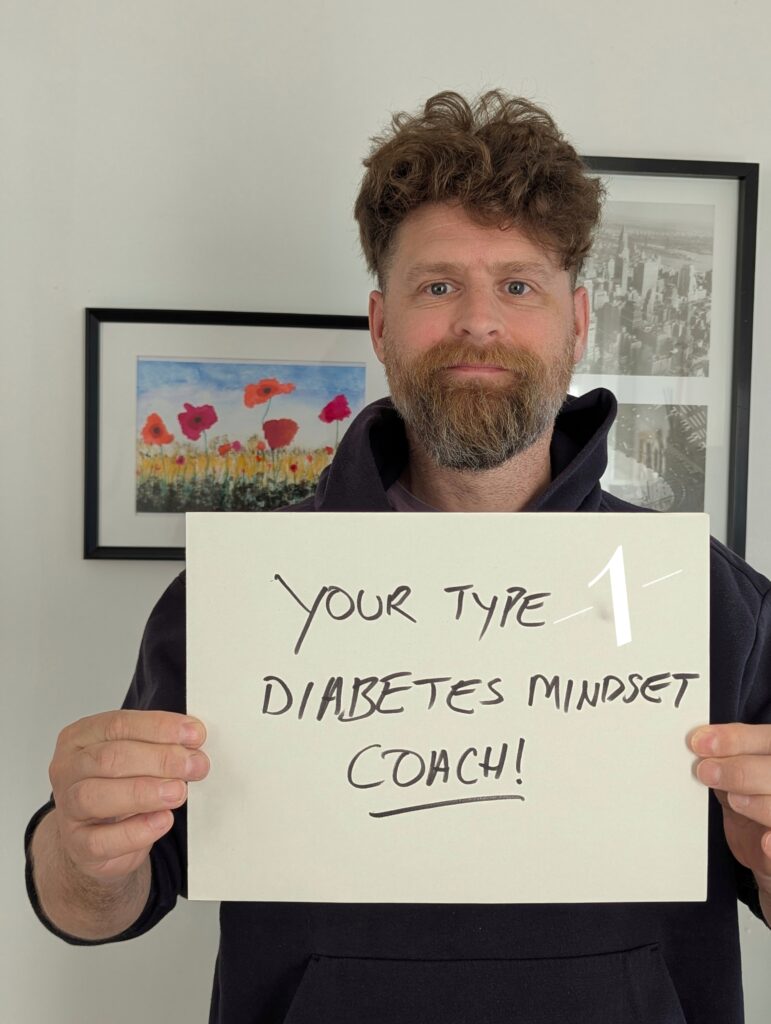
Support speeds growth, so coaching builds clarity and calm confidence. When direction feels blurry, guidance restores momentum.
Owning Your Lifestyle Choices
Lifestyle choices remain yours even with diabetes, so you still shape your days, goals, and joy. Because ownership builds confidence, life feels fuller and steadier.
If you want support building calm confidence and steady habits, book a free 30-minute discovery call to see if working together feels right.
Outside Reads:
Speak soon,