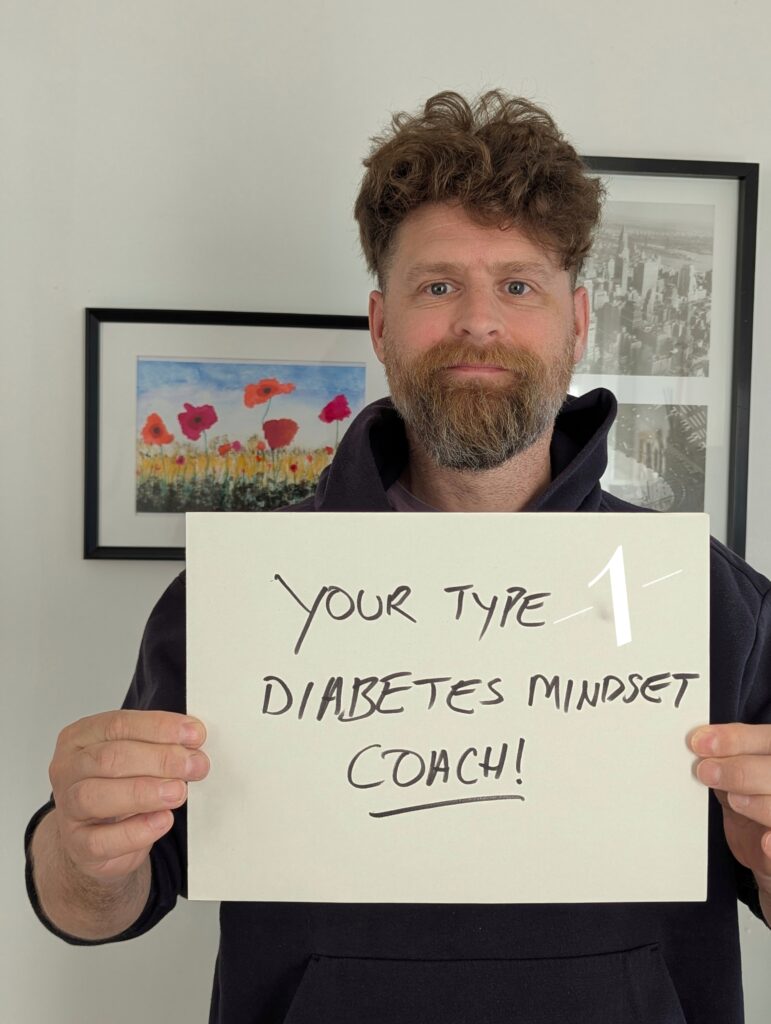
Living with Type 1 diabetes is not just a physical challenge, for you to be able to recognize is incredibly powerful because mental health and type 1 diabetes go hand in hand. It is an emotional and psychological journey that many people without T1D don’t ever see.
Seeing the importance of mental health and type 1 diabetes in the every day is vital because keeping track of this condition involves decisions about insulin, food, blood sugar, exercise, stress, sleep, and countless small adjustments. Even when someone does everything “correctly,” blood glucose can still behave unpredictably. Over time, this constant responsibility can affect how a person feels about themselves, their body, and their future.
Many people with Type 1 diabetes experience moments of anxiety, frustration, anger, guilt, or emotional exhaustion. These feelings are not signs of weakness. They are natural responses to living with a demanding lifelong condition.
This page brings together resources and insights about the emotional side, and mental health and type 1 diabetes; as it ventures the mindset challenges many people face and offers strategies that can help build your resilience, understanding, and self-compassion.
The Hidden Emotional Weight of Diabetes
Mental health and type 1 diabetes means you needing constant awareness of it. Your blood sugar must be nursed, insulin doses calculated, and daily life carefully balanced with the needs of the condition.
Hence, this ongoing responsibility can create a mental load that few people outside the diabetes community fully understand. Many of us describe feeling as though they are carrying an invisible weight that never truly disappears.
The emotional side of diabetes often includes feelings like:
- frustration, anger, when blood sugar behaves unpredictably
- anxiety about long-term health complications
- exhaustion from constant decision-making
- pressure to manage diabetes “perfectly”
These experiences are extremely common, yet they are rarely discussed openly because the T1D community can feel the need to be “strong” when it’s okay not to be.
The following posts explore the emotional toll of living with diabetes and how these feelings can shape everyday life.
Related articles
- The Emotional Toll of Type 1 Diabetes
- Feeling Alone With Diabetes
- T1D and The Constant Mental Anxiety
Anxiety and Fear Around Diabetes
Many people living with diabetes experience periods of anxiety. Blood sugar fluctuations can create uncertainty, and the need to constantly monitor the body can lead to heightened awareness of potential problems.
Some individuals worry about hypoglycemia during sleep or while away from home. Others feel anxious about long-term complications or whether they are managing the condition well enough.
Anxiety can also arise when diabetes begins to feel unpredictable. Even when someone follows their usual routine, blood sugar levels may still fluctuate unexpectedly.
Understanding the connection between diabetes and anxiety can help people recognise that these feelings are normal and manageable.
Related articles
- Anxiety and Type 1 Diabetes
- Diabetes and Panic Attacks
- Understanding Fear and Blood Sugar Fluctuations
Depression and Emotional Exhaustion
Living with diabetes can sometimes lead to emotional exhaustion or feelings of hopelessness. The daily effort required to manage the condition can become overwhelming, particularly during difficult periods of life.
Depression related to diabetes often includes feelings such as:
- loss of motivation to manage the condition
- persistent fatigue or emotional numbness
- frustration with blood sugar control
- feelings of guilt or self-blame
These emotions do not mean someone is failing at diabetes management. They often signal that the person has been carrying too much emotional strain for too long.
Recognising these feelings is the first step toward rebuilding emotional balance.
Related articles
- Diabetes Depression: Understanding the Emotional Impact
- When Diabetes Feels Overwhelming
- Breaking the Cycle of Self-Blame
Shame, Guilt, and Self-Criticism
One of the most damaging emotional patterns many people with diabetes experience is self-criticism.
Blood sugar numbers can easily become tied to a person’s sense of success or failure. When glucose readings are higher or lower than expected, individuals may feel as though they have done something wrong.
Over time, this mindset can create shame or guilt around diabetes management. People may feel embarrassed to discuss their numbers or hesitate to share their struggles with others.
Learning to separate personal worth from blood sugar readings is an important step toward emotional resilience.
Related articles
- Letting Go of Diabetes Shame
- Understanding Guilt Around Blood Sugar
- Accepting Imperfection in Diabetes Management
Building Emotional Resilience With Diabetes
Although diabetes presents real emotional challenges, many people develop powerful coping skills over time.
Resilience does not mean ignoring the difficulty of diabetes. Instead, it means learning how to manage the emotional impact in healthier ways.
Some strategies that help you keep your emotional balance include:
- mindfulness and stress reduction
- connecting with other people living with diabetes
- setting realistic expectations for blood sugar control
- focusing on progress rather than perfection
Small shifts in mindset can make a significant difference in how diabetes is experienced day to day.
Related articles
- Mindfulness Techniques for Diabetes Stress
- Finding Strength Through the Diabetes Community
- Building Self-Compassion With Diabetes
Moving Forward With Strength
The emotional challenges of diabetes are real, but they do not define who you are, because mental health and type 1 diabetes should both be working for, not against you.
Understanding the psychological side of living with Type 1 diabetes can help people approach the condition with greater awareness and compassion. When individuals recognise that frustration, anxiety, and exhaustion are normal parts of the journey, it becomes easier to respond with patience rather than self-criticism.
Diabetes is demanding, but it is possible to build emotional strength, resilience, and a healthier relationship with the condition over time.
The resources above explore the many ways people learn to navigate the emotional landscape of diabetes while continuing to move forward with courage and determination.
Outside reads:
Until next time,
Pete