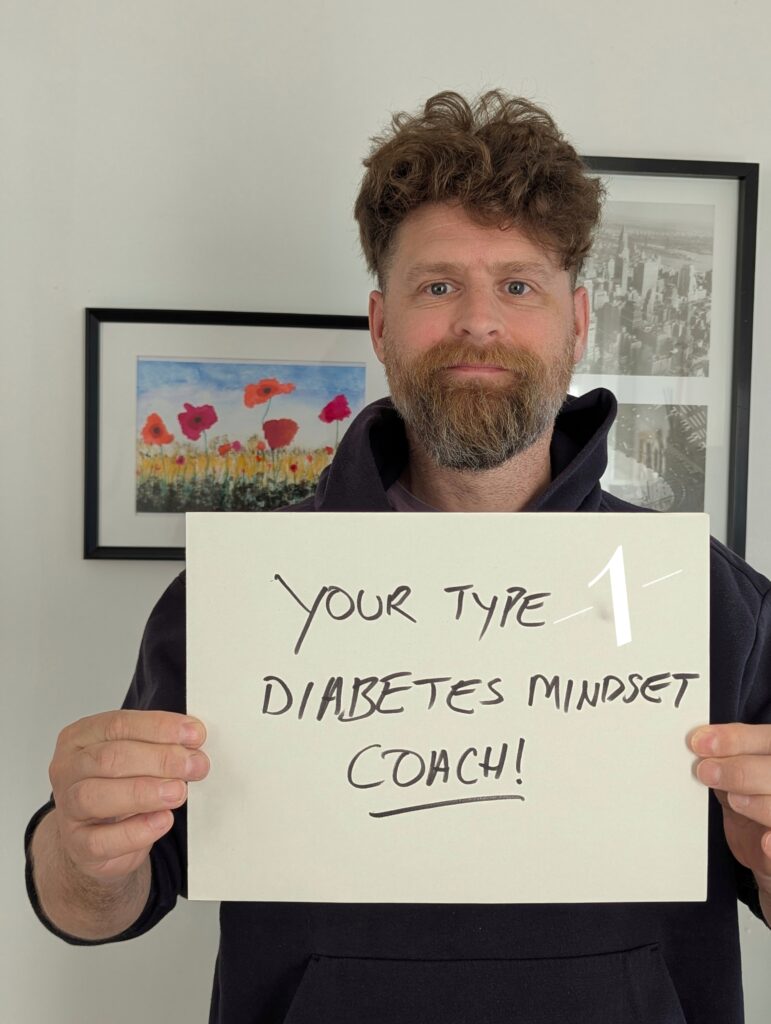
Living with T1D inside your head
Peer coaching matters because Type 1 diabetes lives in the mind long before it shows up in the numbers and every day brings choices, worries, and invisible pressure. As a result, others don’t see your mental pressure.
Why your isolation grows fast
Many people feel lonely even with support nearby, friends care, but they do not feel the low or the highs. Your family and friends try, but they cannot hear the mental noise.
What peer coaching truly means for Type 1 diabetics
This form of support rests on lived experience and it doesn’t rely on theory or perfect plans, but instead, it builds understanding through “I’ve been there.”
How shared experience creates safety in the body
Feeling understood calms the nervous system and helps with breathing as it slows, your muscles relax, and the body stops bracing for judgment.
Why advice alone rarely helps
Advice jumps ahead of your readiness and people hear what to do and try to give advice, but your mind will probably ignore advice because you’re not ready for it.
Emotional regulation grows through connection
Connection steadies emotions before logic can enter your mind, and a grounded voice helps the mind slow down as shared stories help normalize intense reactions.
How the nervous system responds to understanding
Understanding signals safety, so safety tells the brain to stand down, and that chain reaction matters deeply.
Shame fades when honesty enters the room
Shame thrives in secrecy, but honest conversation pulls it into daylight and when someone says “same here,” relief can follow.
Why comparison loses its grip in the right space
Comparison hurts when perfection dominates. Supportive spaces value reality instead.
Because honesty leads, progress feels personal. Growth stops competing and starts aligning.
Language that reduces pressure instead of adding it
Words shape emotional responses. Gentle language lowers threat. Clear language builds trust.
Over time, kinder phrasing softens self-talk. Emotional resilience grows quietly.
Real hope replaces fake positivity
False optimism cracks under biology. Real hope stays grounded.
Shared support respects limits while still encouraging forward motion.
Support that stays present on hard days
Some days feel heavy. Numbers misbehave. Emotions spike.
Support that stays present during those moments builds trust faster than solutions ever could.
Why mindset shifts stick better with lived experience
Mindset tools land better when modeled and seeing someone live them makes them believable.
Because peers walk the same path, tools feel usable, and not idealistic.
Accountability that never shames
Healthy accountability feels safe. Pressure shuts people down.
Supportive accountability encourages honesty. Progress follows naturally.
Burnout recovery through shared pacing
Burnout needs rest, not force. Shared pacing prevents relapse.
Together, people learn when to pause, and when to move.
Confidence rebuilt through small wins
Small wins rebuild trust slowly. Confidence returns quietly.
Encouragement helps people notice progress their minds often dismiss.
Identity beyond charts and numbers
Numbers fluctuate daily. Identity should not.
Supportive spaces reinforce worth beyond data. That reminder stabilizes self-esteem.
Why peer coaching builds trust
Experience shortens explanations. It removes doubt.
People trust those who have walked the terrain.
The difference between community and guided support
Community offers belonging and guidance adds direction.
Peer coaching blends both, which creates support with purpose and care.
Where peer coaching fits
Type 1 diabetes mindset coaching focuses on emotional safety, stress responses, and self-trust, and it helps people live with diabetes instead of battling it daily.
This approach helps support steadier thinking during those unpredictable days.
Tools that steady the mind when days spiral
Simple tools work best under pressure. Breathing cues help. Language shifts matter. Grounding habits calm quickly.
Choosing peer coaching that feels human
Support should feel warm, and not clinical. It should listen before attempting to guide you.
Moving forward with peer coaching
You do not need fixing. You need understanding, and you can get it right here.
A softer way to live
Peer coaching offers a gentler way through T1D as it can reduce isolation, steadies emotions, and restores trust. If you want grounded support built for real days, the Mindset Reset Kit .
Internal links
- Diabetes burnout recovery
- Emotional resilience with Type 1 diabetes
- Mindset tools for chronic illness
External links
Until the next time,
Pete