Pretending You’re Okay While Diabetes Breaks You Down
If you’ve been experiencing diabetes burnout symptoms but still telling everyone you’re “fine,” you’re not alone.
On the outside, it looks like you’re coping. You’re doing what you need to do. You’re showing up.
But underneath, you’re exhausted. Quietly overwhelmed. And trying to hold everything together without letting it show.
This is the part of diabetes no one really talks about.
Is this hitting hard?
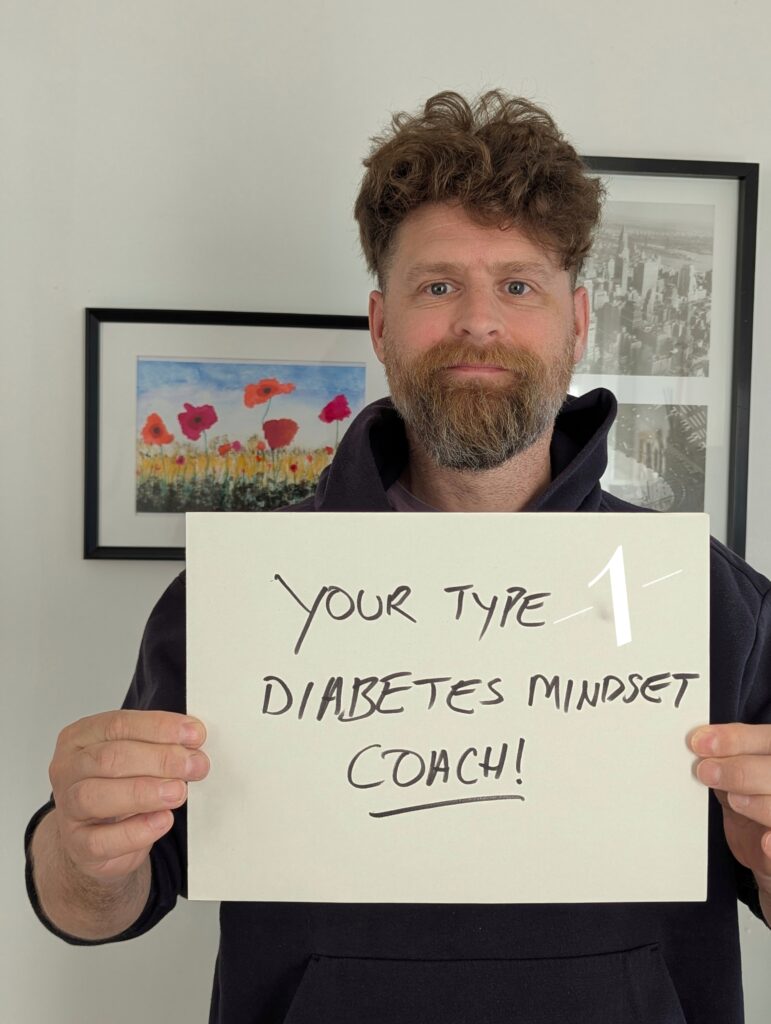
If this is hitting harder than you expected, you’re not alone. I help people with diabetes reset their mindset so they can feel more in control again.
👉 Start here
What Diabetes Burnout Really Feels Like
Diabetes burnout isn’t always dramatic.
It doesn’t always look like giving up completely.
Sometimes, it looks like:
- going through the motions
- doing the bare minimum
- feeling detached from your own care
You’re still functioning… but something feels off.
Like you’re there — but not fully there.
And the hardest part?
You start to believe this is just how life is now.
Diabetes Burnout Symptoms You Might Be Ignoring
A lot of people miss the early diabetes burnout symptoms because they don’t feel “serious enough.”
But they matter.
Here are some signs to pay attention to:
- Feeling mentally drained all the time
- Avoiding checking your blood sugar
- Ignoring highs or lows longer than usual
- Feeling irritable, numb, or disconnected
- Thinking “I just can’t deal with this today”
- Losing motivation to take care of yourself
These aren’t signs of failure.
These diabetes burnout symptoms are more common than people realise and are often linked to emotional exhaustion and stress (Diabetes UK).
They’re signs you’re overwhelmed.
Why You Keep Pretending You’re Okay
This is where it gets real.
Most people don’t pretend because they want to.
They do it because:
- They don’t want to worry anyone
- They feel like they should be able to handle it
- They don’t want to be seen as struggling
- They’re tired of explaining themselves
So instead, you say:
“I’m fine”
Even when you’re not.
And over time, that disconnect grows.
The Hidden Cost of Ignoring Burnout
Pretending you’re okay doesn’t make burnout disappear.
It just buries it.
And eventually, it shows up as:
- deeper exhaustion
- emotional shutdown
- more frustration with your diabetes
- less consistency with your care
It becomes harder to care — not because you don’t want to…
but because you’ve been running on empty for too long.
How to Cope With Diabetes Burnout (Without Pressure)
This is the part most people skip — but it’s what actually helps.
You don’t need to fix everything overnight.
Start here:
1. Lower the pressure
You don’t need perfect control right now.
Focus on:
doing something, not everything
2. Pick one small habit
Choose one thing you can manage:
- checking once more per day
- correcting one high
- drinking more water
Small wins matter more than big plans.
3. Allow yourself to step back
Taking a mental break doesn’t mean you’ve given up.
It means you’re human.
4. Talk to someone who understands
Not everyone will get it.
But the right person will.
And that can make a huge difference.
5. Be honest with yourself
You don’t have to say it out loud yet.
But at least admit it to yourself:
“I’m struggling right now”
That honesty is where things start to shift.
You’re Not Failing — You’re Overwhelmed
If you’ve been feeling like this…
You’re not weak.
You’re not lazy.
And you’re definitely not alone.
You’ve just been carrying more than people realise.
And pretending you’re okay?
That’s not failure.
That’s survival.
Final Thought
You don’t need to have it all together.
You don’t need to prove anything to anyone.
And you don’t have to keep pretending.
Because once you stop fighting how you feel…
you can finally start supporting yourself in a way that actually works.
You Don’t Have to Do It Alone..
If this is hitting harder than you expected, you’re not alone. I help people with diabetes reset their mindset so they can feel more in control again.
👉 Start here: mindoversugar.org
Yours, as always,
Pete