Why routines bring safety to daily Type 1 life
A structured routine creates safety and flow when living with T1D, and because predictability lowers stress, the body relaxes faster while the mind feels steadier. Blood sugar decisions appear all day, so mental energy drains quickly, but routines reduce friction and also soften emotional spikes.
Even small habits build rhythm, and that rhythm builds trust over time, so confidence grows instead of shrinking. Life still shifts, yet consistency cushions the nervous system and keeps reactions calmer.
Because the brain loves signals it can predict, repeated timing lowers alarm responses, and as stress drops, clarity improves, so better choices follow naturally.
How predictable habits calm the nervous system
The nervous system seeks safety cues, and when timing stays familiar, stress signals quiet down faster, so muscles soften and breathing steadies. Also, cortisol drops sooner, which supports emotional balance and clearer thinking.
Steadier blood sugar choices through consistent daily flow
Consistency supports better timing choices, and because patterns repeat, awareness improves while panic shrinks. Also, fewer rushed guesses reduce emotional whiplash, so steadiness replaces urgency.
When habits guide action, confidence rises, and although numbers still move, reactions stay calmer and more thoughtful.
How timing supports safer body feedback
Timing teaches the body what comes next, and because signals feel familiar, insulin response often feels easier to read. Also, smoother timing reduces sharp corrections, so emotional swings soften faster.
Over time, rhythm becomes supportive instead of controlling, and that trust reduces pressure during tough days.
Less mental fatigue through fewer daily decisions
Fewer choices protect brain energy, and because habits automate actions, the mind rests instead of negotiating every step. So focus stays available for connection, creativity, and recovery.
When mental clutter fades, calm increases, and clarity becomes easier to access.
Why simplified routines protect attention and focus
Decision overload drains clarity fast, but repeated habits remove friction and lower mental noise. Also, cognitive load drops, so emotional control improves naturally.
As attention stabilizes, patience increases and reactions soften.
Stronger emotional balance with steady rhythm
Emotions follow body signals, and when rhythm stays steady, emotional spikes soften faster while patience stretches longer. So communication improves and self-talk stays kinder.
That stability protects relationships and internal safety.
How rhythm reduces reactive thinking patterns
Predictable flow lowers threat signals, and as a result, impulsive reactions shrink while thoughtful responses grow. Also, breathing steadies sooner, which supports focus and grounded awareness.
Calm thinking encourages wiser choices and steadier moods.
Better sleep consistency through evening patterns
Sleep responds well to cues, and when evening habits repeat, the nervous system downshifts more easily. So rest arrives faster and stays deeper.
Better sleep improves glucose awareness and emotional stamina.
Why stable sleep improves mood and resilience
Sleep balances hunger signals and stress hormones, and when rest stays consistent, emotional tolerance improves. Also, daytime patience grows, so setbacks feel easier to manage.
Rest strengthens resilience and clarity.
Growing self-trust through repeated small wins
Consistency builds credibility with yourself, and each kept promise strengthens internal trust. So confidence rises without pressure or force.
Self-trust supports steady motivation and emotional safety.
How tiny habits reinforce confidence
Small actions compound over time, and because progress feels visible, motivation grows naturally. Also, wins reinforce identity as someone who follows through.
Momentum feels energizing and sustainable.
Fewer burnout cycles with balanced pacing
Burnout grows from overload and chaos, but gentle pacing protects energy reserves and preserves emotional stability. So recovery happens faster and crashes soften.
Balanced rhythm supports long-term health.
Why pacing protects motivation and joy
When energy stays steady, consistency feels easier and motivation stays grounded. Also, joy remains accessible instead of buried under pressure.
Balance protects sustainability.
Clearer boundaries through predictable structure
Routines define when rest, work, and connection occur, so boundaries feel easier to protect. Also, energy stops leaking into people-pleasing patterns.
Clear limits preserve calm and self-respect.
a structured routine can reduce drain
Defined rhythms protect personal space, and as a result, resentment drops while self-worth strengthens.
Healthy limits support emotional stability.
Creating flexibility without losing consistency
Flexibility matters because life changes, yet supportive systems bend instead of breaking. Also, self-compassion keeps momentum alive during messy weeks.
Consistency thrives when pressure stays low.
How to reset gently
Missed days happen, but gentle restarts prevent guilt spirals and speed recovery. So momentum rebuilds faster and confidence stays intact.
Support systems
Community support strengthens accountability, and coaching adds clarity and encouragement. Also, trusted education builds confidence and safety. Try Beyond Type 1 and Diabetes UK.
A structured routine feels supportive
Language shapes experience, and gentle wording reduces pressure while playful cues increase consistency. So structure feels supportive rather than controlling.
mindset and a structured routine
Patience builds mastery, and curiosity replaces judgment while progress feels lighter. Also, growth stays the focus instead of perfection.
Choosing growth over pressure
Pressure drains energy, but growth invites learning and builds confidence steadily. So consistency feels easier and more rewarding.
Bringing it all together
A structured routine supports clarity, safety, and emotional steadiness while living with T1D, and it simplifies decisions while protecting energy and strengthening confidence.
Ready to build your steady rhythm?
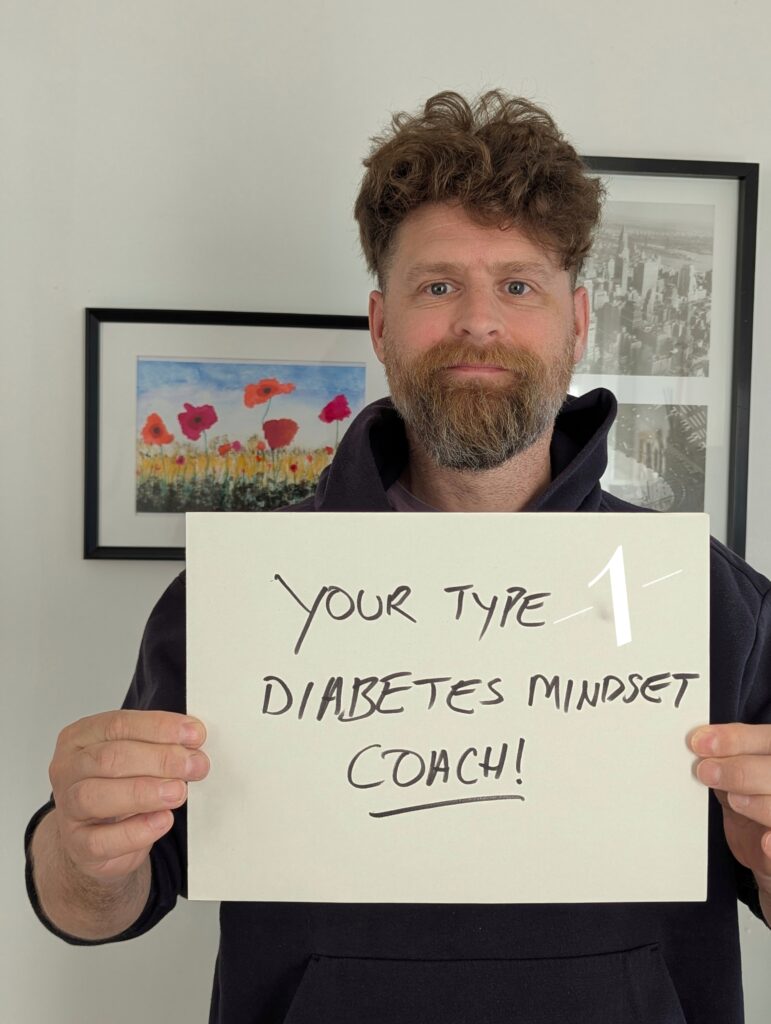
If you want personal support building a structured routine that fits your real life and real energy, book a free 30-minute discovery call with me to see if we’re a good fit to work together in my coaching service. Calm grows faster with the right guidance and steady support.
Yours as always,
Pete