When the useless feeling first shows up
That useless feeling often arrives without warning and it sneaks in during normal moments. You check your levels, to find you feel tired, and suddenly life feels flat. Nothing dramatic happens, yet everything feels wrong.
Why T1D makes emotions heavier
Type 1 diabetes wants attention all day, and because of that your mental energy can drain quickly. When energy drops, your emotions lose their buffer, and as a result, negative thoughts hit harder and linger longer.
The thought that says “this isn’t a life”
That thought can feel sharp and convincing as it tells you that you are only surviving and not living. It removes color from everything, but even so, it reflecting exhaustion, not the truth.
When existing starts to feel pointless
Some days feel empty, but you still do the tasks and follow the rules. Still, there’s nothing feels rewarding, so life begins to feel like a chore instead of a choice.
How the mind slides into a dark loop
The brain looks for patterns, and once it senses danger, it can gather proof. Every small issue feeds the story and that black hole feels endless.
Why emotional spirals move so fast
Stress can prime the nervous system and blood sugar swings add more pressure. Therefore, reactions fire before logic steps in and your body reacts as if survival is at risk.
Saying the feeling without judging it
Name the moment honestly and say “this feels heavy today.” This works because that statement creates space but judgment only tightens the knot.
Pausing the spiral early
You do not need answers right away, instead, try pausing to delay engagement with the thought. That pause can weakens its power.
Interrupting instead of fixing
Control fails often with diabetes, so interruption can work better, so try changing rooms, sitting down and drinking water. These actions can slow momentum.
Letting the body lead first
The body sends safety signals faster than the mind, so gentle movement can help.; so try stretching or standing as it can reset the system.
Breathing as a grounding tool
Slow breathing calms stress quickly, so try to extend the exhale slightly. That rhythm can tell the body it is safe.
Changing inner language
Words shape emotion, so try replacing “I’m broken” with “today feels hard.” because this shift can reduce pressure over time.
Why fighting thoughts backfires
Fighting thoughts adds energy to them, and resistance fuels that intensity; so allowing them to pass can remove that fuel.
Watching thoughts instead of chasing them
Thoughts come and go. Let them move without grabbing them. Stay anchored in the present moment.
Creating safety anchors
Anchors ground you during emotional drops. Use familiar routines. Predictability soothes the nervous system.
When blood sugar distorts thinking
Glucose swings affect mood fast. Highs and lows twist perception. Remember this link when emotions spike.
Separating worth from outcomes
Numbers change daily. Effort still counts. Your value does not depend on results.
Finding meaning on empty days
Meaning does not require motivation. Small acts matter. Rest matters. Showing up matters.
Choosing support that steadies
Helpful support listens first. Validation calms the system. Advice can wait.
Tools for heavy moments
Simple mindset tools work best when energy feels low. They help when the useless feeling grows loud.
Hope that feels real
Hope does not need hype. It can feel quiet. Small relief still matters.
Moving forward without fake positivity
You do not need silver linings. Honesty builds stability. Calm follows truth.
Life beyond survival mode
Life expands slowly. Joy returns in pieces. Over time, the useless feeling loses control.
A steadier way to live with Type 1
Support changes everything. With guidance, you can pause the spiral and soften the weight of the useless feeling.
Call to action
If the useless feeling keeps pulling you into that dark loop, you do not have to face it alone.
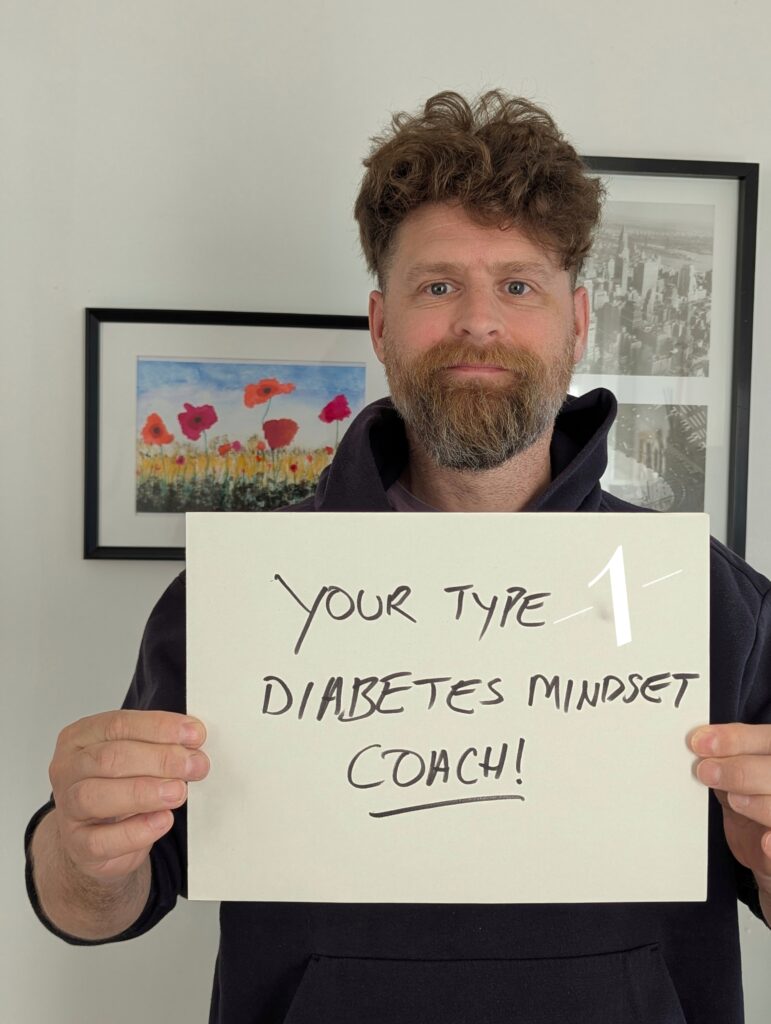
Book a free 30-minute discovery call with me to see if we are a good fit to work together in my coaching service.
Internal links
External links