Medical Gaslighting in Type 1: Reclaim Your Voice
Many people ask what is medical gaslighting? when they leave an appointment confused, small, or unseen, and that feeling sticks longer than any high blood sugar ever could. You show up prepared and you explain clearly the issues. Yet someone shrugs off your lived experience, So your frustration can build, and trust starts to crack. That moment hurts because your body tells the truth even when someone refuses to hear it.
Understanding medical gaslighting in Type 1
Medical gaslighting happens when a professional dismisses or minimizes what you feel, and they may label your concerns as overreacting or misinformed. In T1D, this hits harder because you manage your body every day, you track patterns, meals, and energy shifts. Still, someone may ignore all of it, hence self doubt can grow, and your confidence can start to wobble.
Why dismissal cuts deeper than numbers
High glucose stresses the body, and dismissal stresses the mind. Your nervous system craves safety and clarity; but when someone denies your reality, tension can rise fast. Because of that, sleep suffers, focus fades, and patience runs thin. That emotional strain can linger long after the appointment ends.
Common ways medical gaslighting shows up
Medical gaslighting often sneaks in quietly, and it rarely feels dramatic at first. Instead, it builds through small moments that slowly erode your self worth.
When symptoms get brushed aside
You mention fatigue or brain fog, but someone calls it normal. You’re trying to explain patterns, they wave it off. It seems like no one is listening, and over time, that teaches you to doubt your own signals.
When blame replaces curiosity
Some providers blame every glucose swing on effort. Yes, choices matter. But biology still plays tricks. When blame fills the room, shame follows close behind.
How doubt sneaks into your thinking
After enough dismissive moments, your mind starts to soften your voice. You hesitate before asking questions. You replay conversations. You shrink your needs. That slow erosion steals confidence.
Emotional effects of medical gaslighting
Anxiety rises. Irritation builds. Sadness settles in. Because your experience feels unseen, emotional safety drops. That emotional load makes daily care feel heavier than it should.
Why power gaps increase risk
Titles and white coats carry authority. Lived experience often gets sidelined. That imbalance can silence even strong voices. So people stay quiet instead of advocating.
When data gets ignored
You bring logs and trends. Someone dismisses them. That hurts because effort deserves respect. Data should guide care, not erase lived truth.
How stress impacts memory and trust
Stress sharpens negative memories. It also dulls calm thinking. So the brain stays alert even when danger passes. That loop explains why one rough visit can linger all week.
Rebuilding trust in your body
Start small. Notice hunger cues. Track energy shifts. Celebrate consistency, not perfection. Each small win rebuilds trust slowly and steadily.
Tracking symptoms with clarity
Write notes in simple words. Track time, food, mood, and symptoms. Clear notes support strong conversations and steady confidence.
Speaking up without fear
Ask open questions. Request explanations. Pause when something feels unclear. Your voice deserves space in every appointment.
Choosing supportive care
Good providers listen first. They explain clearly. They respect effort. If a space feels unsafe, trust that signal and explore other options when possible.
What is medical gaslighting and boundaries
Limit emotional exposure. Protect your peace. Not every opinion deserves space in your head.
Coping after a bad appointment
Walk. Stretch. Breathe slow. Talk with someone safe. Write it out. These small actions release stress and restore balance.
Rebuilding confidence daily
Trust patterns again, so you can adjust gently. Praise your efforts often, so confidence can grow through repetition, not flawless days.
Protecting your mindset long term
Use kind language with yourself. Say “today feels heavy” instead of “I failed.” That shift lowers pressure and supports calm thinking.
Knowing when extra support helps
When stress lingers or trust feels shaken, mindset coaching can restore clarity and emotional safety.
Moving forward with strength
Release old blame stories to build a new story rooted in patience, skill, and self-respect. Growth flows faster without shame dragging behind you.
Support and next steps
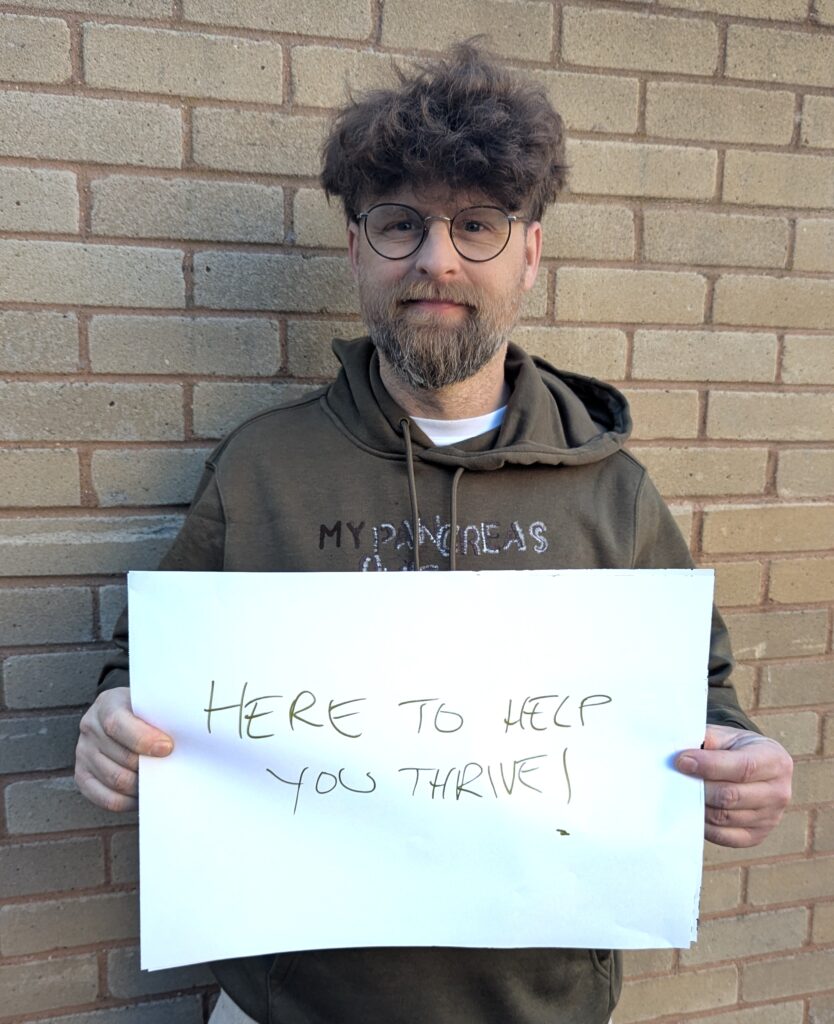
If you still wonder what is medical gaslighting and how it impacts your confidence, support can help you rebuild trust and steady your mindset. Book your free 30-minute discovery call to see if we feel like a good fit to work together in coaching.
You may also explore:
Internal links:
External links:
And yes, what is medical gaslighting? is a vital question because it matters. Your experiences are important, and your voice deserves respect, clarity, and care — always.